Poll site gun ban proposal draws pushback
(The Center Square) – State lawmakers want to ban Illinoisans from carrying a gun while at the polls, citing a rise in political violence around elections.
Gun rights advocates have taken issue with the proposal, claiming the ban would unconstitutionally prohibit guns in some private residences.
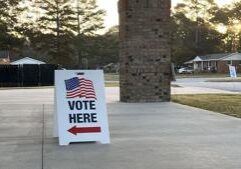
House Bill 34 would ban the ability to carry a firearm at any building, property or parking area of polling locations, creating a 24th restriction on open carry laws in the state.
While state peace officers would be exempt, any other person discovered to be carrying a firearm at a polling place would be found guilty of a misdemeanor.
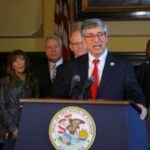
State Rep. Bob Morgan, D-Highwood, told lawmakers during a joint hearing last week between the House Gun Violence Prevention and the Ethics and Elections Committees that his bill seeks to address safety of poll workers and voters during a rise in political intimidation, threats and violence.
“The reason we’re here today is that the country is facing an unprecedented and aggressive rise in election denial and political violence and intimidation,” Morgan said. “Concerns about possible voter intimidation have prompted an increasing number of states to do exactly this.”
Morgan said 16 other states have enacted laws similar to his, including Republican-led states like Texas, Georgia and Florida.
The lawmaker also mentioned multiple instances of voter intimidation across the country in recent elections, though he did not present any examples from within the state.
Ed Sullivan, on behalf of the Illinois State Rifle Association, said the bill seeks to address a non-existent threat, citing crime data he said shows people with a concealed carry license are less likely to commit crimes when compared to the rest of the population.
“So it says ‘any building, real property, or parking area.’ So any building – think about the areas that are not governmental buildings. Think about your communities where you might have a condo association that has a community center within that condo building, and they’re having a polling place,” Sullivan said. “On that day of polling, I’m not allowed to have a firearm in that building.”
Sullivan went on to say the text of the bill is unconstitutional, as it would violate the U.S. Supreme Court’s decision in District Of Columbia v. Heller, a landmark Second Amendment case from 2007.
Morgan told lawmakers and Sullivan that he is open to considering language to address the residential concerns, but he was not sure if election code and the variety of differences in residential polls would allow for an amendment to make the bill more explicit.
Rep. C.D. Davidsmeyer, R-Jacksonville, was also critical of the proposal.
“If they’re going to do this, they’re going to do this without a concealed carry,” Davidsmeyer said. “I think that we’re doing something here to make us – to make government feel better while taking the wrong precaution.”
Davidsmeyer also said imposing more rules on polling locations could make more private locations hesitant to continue lending space for elections.
The joint committees hearing the bill did not vote on the bill, which has sat in the legislature since late 2024.



Chance Showers And Thunderstorms
Latest News Stories

P&Z Commission: New Women’s Recovery Center Proposed for Patterson Road Receives Support

WATCH: ‘Unfortunate accident’: Miss. senator blasted for comment on Guard troop shootings
WATCH: House Homeland Security hearing filled with tense exchanges

Judge rules against Trump’s freeze on wind energy

Illinois’ new paint fee takes effect, with critics calling it another burden on taxpayers
Pritzker decision looms for energy bill ‘on ratepayers’ backs’
WATCH: Use of National Guard debated in U.S. Senate as Illinois case lingers
Illinois quick hits: Senator’s deferred prosecution deal approved; Indiana Senate votes against new maps
Suspect in Charlie Kirk assassination makes first in-person appearance in court
Pro-life orgs call out FDA, Makary for not fulfilling promise to review abortion drug

Bill to extend enhanced Obamacare subsidies dies in Senate

Judge: CHA lawyers must pay $59K for citing ChatGPT-created cases