WATCH: Ex-rep sues Pritzker, Illinois over race-based congressional map
(The Center Square) – Illinois’ congressional district map is being challenged over what some argue are unconstitutional racial requirements for districts. A former Republican state representative sued Gov. J.B. Pritzker and the State Board of Elections late last week.
Jeanne Ives, a former representative of the state’s 42nd district, brought the case backed by J. Christian Adams, president and general counsel of the Public Interest Legal Foundation.
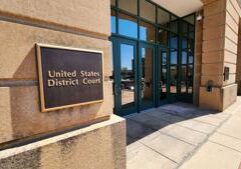
Filed in the U.S. District Court in the Central District of Illinois, the official complaint claims congressional maps drawn after the 2020 U.S. Census are unconstitutional because the Illinois Voting Rights Act of 2011 mandates the creation of “racial districts.”
Ives told The Center Square Daily that state Democrats have brazenly moved to draw maps based on racial lines.
“It’s very obvious to anybody looking at Illinois maps, and Illinois law, that these districts are in fact – they use race to design the districts and the SCOTUS decision makes it abundantly clear that you just can’t do that anymore,” Ives said.
Ives said a recent U.S. Supreme Court ruling, which determined Louisiana’s district map as unconstitutional because of an over-reliance on race, is what has explicitly made it clear that Illinois’ congressional map as unconstitutional.
“Pritzker went into 2018 promising an independent commission to draw the maps. He comes out of the 2020 census with the most partisan map drawing that literally split precincts,” Ives said.
Adams, serving as legal counsel on the lawsuit, told The Center Square Daily that the goal of their legal challenge is not to remove race entirely from the map drawing process.
“The remedy is to not have explicit racial redistricting criteria. You know, you can still draw districts in the country that have racial outcomes,” Adams said. “Racial districts aren’t per se illegal. What is illegal is having state redistricting criteria that is established ahead of time that says you have to create these racial districts.”
Last year, Republican state lawmakers challenged Illinois’ state legislative map as heavily gerrymandered. The Illinois Supreme Court ultimately dismissed the case on the grounds of timeliness, rather than ruling on whether the map was lawful.
In response to the Louisiana ruling, Illinois State Senate leadership also killed an attempt to amend the state Constitution, which would have further enshrined a requirement for minority-representative districts.
The Center Square contacted the Illinois State Board of Elections for comment, to which a representative said they do not comment on pending litigation, per their protocols.
The governor’s office has not responded to a request for comment.
Adams said that Illinois is the first state he is looking to challenge due to the nature of the maps.
“This was a deliberate effort over the last 15 years to create state laws that use race to allocate power, and Illinois is one of the most brazen and that’s why they’re the first to get sued,” Adams said.
Due to procedural rules, the Board of Elections and Pritzker have three weeks from the filing date to respond to the lawsuit’s claims. Adams said a hearing on the lawsuit will not take place until at least next month.
Greg Bishop contributed to this story.






Partly Sunny then Chance Showers And Thunderstorms
Latest News Stories

Trump orders new mediation for New York rail contract dispute

U.S. House passes two more govt funding bills, sending to Senate

Governors seek delay on sharing cost of food stamp errors
Supreme Court ruling allows Bost to challenge Illinois election law

Illinois quick hits: Illinois auto insurance rates dropping

SCOTUS rules on warrantless searches, double convictions and election suits

WATCH: WA Democrats criticize reporter probes into potential daycare fraud
Title IX central to transgender sports cases, advocates say
WATCH: Legislator raises red flag over Illinois tax funds for group encouraging ICE protests

Bill filed to address loss of homes, equity over property tax debt
Arizona senator optimistic after U.S. Supreme Court debate

Documentary shows cost of personal injury lawsuit abuse