
Federal court blocks key provisions of Texas immigration law
Those challenging a Texas law aimed at curtailing illegal immigration have secured a victory in the lawsuit, which was filed earlier this month.
On May 14, the U.S. District Court for the Western District of Texas granted provisional class certification and a motion for preliminary injunction, blocking four key provisions of Senate Bill 4.
The challenge to the law was brought by the ACLU of Texas and the Texas Civil Rights Project.
In their suit, the plaintiffs argue the law gives “Texas state officials the unprecedented power to arrest, detain, and deport noncitizens.”
The order states that “S.B. 4 could open the door to each state passing its own version of immigration laws. The effect would moot the uniform regulation of immigration throughout the country and force the federal government to navigate a patchwork of inconsistent regulations.”
The ACLU claims the 2023 law is one of the most extreme anti-immigrant laws ever passed by any state legislature in the country.
Counsel for the plaintiffs issued the following statement: “The court’s decision reaffirms what every court that has reviewed the merits of S.B. 4 and laws like it has held: Immigration enforcement is exclusively a federal issue and not up to the states. S.B. 4 would instill fear in our communities, cause widespread racial profiling, and subject lawfully present immigrants to arrest, detention, and deportation. Texas cannot override the U.S. Constitution and should stop wasting time attempting to do so.”
The following provisions remain blocked:
The reentry crime that would apply to anyone living in or traveling through Texas who reentered the United States — even if the person had federal permission to reenter or has since obtained lawful immigration status such as a green card;The power given to magistrates — who don’t know the intricacies of immigration law — to issue deportation orders;The crime of failing to comply with the magistrate’s removal orders; andThe requirement that magistrates continue a prosecution even when a person has a pending immigration case under federal law.
Case No. 1:26-cv-01170






Partly Sunny then Slight Chance Showers And Thunderstorms
Latest News Stories

Trump orders new mediation for New York rail contract dispute

U.S. House passes two more govt funding bills, sending to Senate

Governors seek delay on sharing cost of food stamp errors

Supreme Court ruling allows Bost to challenge Illinois election law

Illinois quick hits: Illinois auto insurance rates dropping

SCOTUS rules on warrantless searches, double convictions and election suits

WATCH: WA Democrats criticize reporter probes into potential daycare fraud
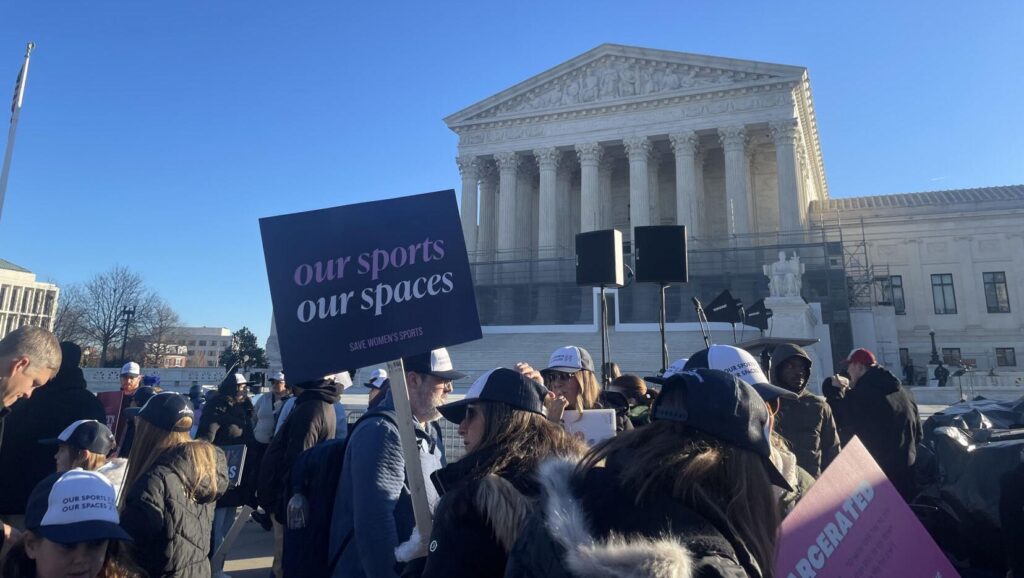
Title IX central to transgender sports cases, advocates say
WATCH: Legislator raises red flag over Illinois tax funds for group encouraging ICE protests

Bill filed to address loss of homes, equity over property tax debt
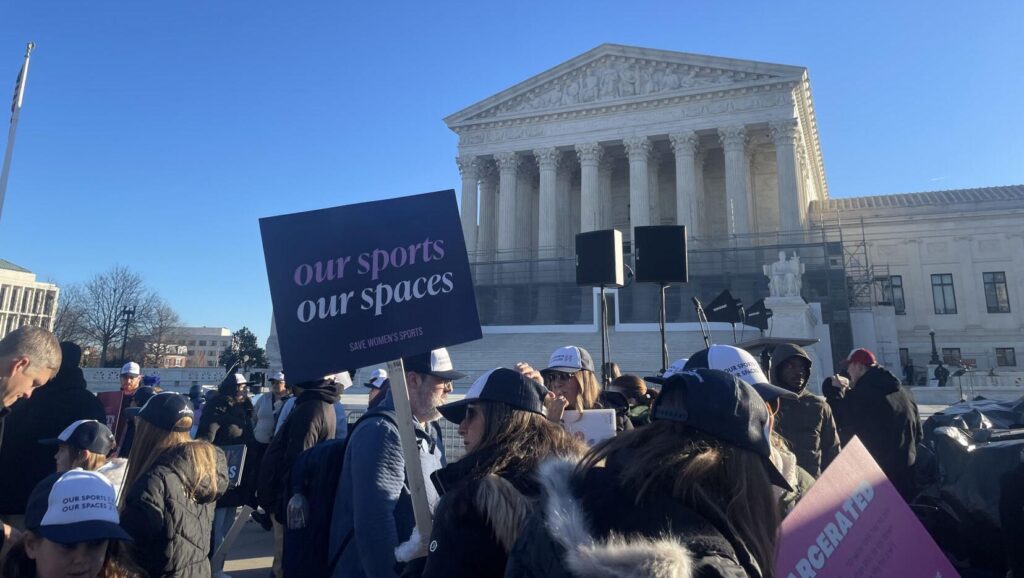
Arizona senator optimistic after U.S. Supreme Court debate

Documentary shows cost of personal injury lawsuit abuse