
Illinois dual office holding debate intensifies amid Calumet funding, ethics concerns
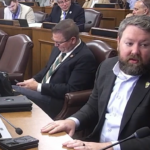
(The Center Square) – Ethics advocates say Illinois’ loose restrictions on dual office holding leave the door open to conflicts of interest and potential retaliation by public officials, following renewed scrutiny surrounding Thaddeus Jones and allegations involving city spending and state funding threats.
The controversy intensified after a recent WGN Investigates report detailed accusations that Jones threatened to withhold $250,000 in state funding after criticism over municipal spending.
Jones did not immediately respond to The Center Square’s requests for comment.
Reform for Illinois Executive Director Alisa Kaplan said Illinois’ ethics laws do not provide enough safeguards when elected officials simultaneously serve in multiple offices, such as mayor and state legislator.
“Many states have stricter limits on dual office holding, and I think Illinois could benefit from those as well,” Kaplan said. “It leads to too much consolidation of power in the hands of one person.”
Kaplan said conflicts can arise when lawmakers oversee municipal budgets while also serving in the state legislature, where they can influence funding decisions affecting their own communities.
“A state legislator might tend to favor their own municipality at the expense of others,” Kaplan said. “State legislators can wield their state power to retaliate against city officials in instances like this.”
Illinois law currently allows many forms of dual office holding that other states prohibit outright or limit more aggressively. Kaplan said some states use attorney general reviews or formal advisory opinions to determine whether a conflict exists when one person holds two public offices.
“In many other states, they must present conflicts more often than they do here in Illinois,” Kaplan said.
Questions surrounding public spending have also drawn attention in recent years following controversies involving former mayor of Dalton Tiffany Henyard and other municipal officials accused of questionable use of taxpayer funds.
Kaplan said she was unsure whether Illinois has sufficient statewide safeguards governing municipal spending on items such as travel, meals, or luxury expenses, but said clearer standards may be needed.
“If there’s not, there should be,” Kaplan said regarding state-level limits on municipal spending practices.
Kaplan noted supporters of dual office holding often argue it expands the pool of qualified candidates willing to serve in local government. Still, she said the ethical concerns remain significant.
“It does present so many ethical problems and so many potential conflicts of interest,” Kaplan said. “That’s why some states choose to just ban it altogether or to put really severe limits on it.”





Mostly Sunny
Latest News Stories

U.S. House passes 10 bills to strengthen homeland security, address terrorism

Gulf lawmakers aim to extend state borders to 9 miles offshore

Ongoing border security prosecution efforts: 23 extraditions in one month

Graham: Man of great faith, fierce fighter for South Carolina, America

$424.9M considered for projects at Fire stadium questioned

Multi-state lawsuit challenges $1B in federal education grant cuts

Supreme Court justices defend $225 million budget request

Election 2026: Cooper steps away from responsibility of historic prison release

Illinois congressman pushes to repeal federal tax cuts

Illinois state diversity leader resigns amid criticism

Illinois Quick Hits: Chicago committee approves infrastructure funding around soccer stadium

Retired judge urges federal court to reject key talc researcher’s testing