White House urges state AGs to target, punish Medicaid fraudsters
White House officials urged a group of state attorneys general to partner with the Trump administration to combat fraud in welfare programs and hold fraudsters accountable.
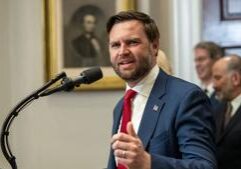
“One of the things we’ve realized in combating fraud is that the resources of the federal government, while vast, can be supplemented and aided by a lot of the people who know best what’s happening in their states, which is the attorneys general represented here today,” Vice President J.D. Vance, head of the White House’s Task Force to Eliminate Fraud, said Tuesday.
“[W]e’re protecting two classes of victims here: We’re protecting the American taxpayers who shouldn’t have their money stolen by fraudsters, and of course we’re protecting the people who need these services,” Vance added. “[A]ll of our fellow Americans have been taken advantage of by fraudsters, and the task force is here to stop it.”
The Trump administration, which recently charged 15 people in Minnesota of stealing tens of millions of dollars from Medicaid, specifically wants states to focus on Medicaid fraud.
Federal Trade Commission Chair Andrew Ferguson, a member of the task force, told the Republican attorneys general present Tuesday that the U.S. Department of Health and Human Services will be conducting a “thorough review” of states’ Medicaid fraud control units.
Ferguson claimed that “huge groups of people in this country” are responsible for “hundreds of billions” in welfare fraud, which he called “one of the most pressing problems this nation confronts.”
“Fraud is bleeding these programs dry,” he added. “Unless fraudsters believe that there will be consequences attached with attacking America’s benefits programs, they will keep doing it. Our fraud detection systems will stop much of it, but cannot stop it all. The only way to defeat the fraudsters is by making sure that they know, every single one of them, that if they try to commit fraud, they will be pursued, arrested, prosecuted, and jailed.”
The Government Accountability Office found that 15 federal agencies together made at least $186 billion in improper payments in fiscal year 2025, with improper Medicaid payments amounting to $37 billion. Improper payments are not necessarily fraudulent.
GAO estimated that since 2003, federal agencies have improperly paid out at least $3 trillion via benefits programs.
In recent months, the Trump administration has deferred or blocked billions in program funding due to fraud concerns, including $1.3 billion in Medicaid reimbursements to California and $1.4 billion in home health and hospice funding nationwide.
It has also targeted billions in “fraudulent or delinquent” pandemic-era loans and $60 million in allegedly fraudulent student loan applications, as well as launched an investigation into $6.3 billion in suspected fraudulent government contracts.
Every Democratic attorney general declined to attend the Tuesday meeting, writing in a response letter that the “short notice does not match the spirit of collaboration that has long defined our joint efforts with federal partners.”
“With appropriate notice and a genuine opportunity for engagement, we would welcome the chance to participate in a future meeting and contribute to a productive dialogue,” they added.
Instead, the group hosted its own virtual meeting later that day on combatting government program fraud.
Vance argued that addressing fraud “should not be a partisan effort.”
“Everybody should care about fraud, everybody should care about rooting out fraud, everybody should care about saving the American taxpayers’ money,” Vance said. “And importantly, everybody should care about actually protecting the programs that only work and are only properly funded if the money funding those programs isn’t being stolen by fraudsters.”
White House Deputy Chief of Staff for Policy Stephen Miller, who also attended the meeting, claimed that fraud levels are so high that rooting out all program fraud would close the federal deficit.
“I believe, based on what I’ve seen and what I’ve heard, that we could balance the federal budget if the only dollars that went out of the Treasury went to individuals who are properly, lawfully, correctly eligible to receive them,” Miller said. “And that ultimately is going to be what we have to do as a country.”
The amount of fraud in government programs would have to be more than eight times GAO’s improper payments estimate in order for Miller’s statement to be true.
The federal deficit for the past two years has teetered around $1.8 trillion and is projected to hit $2 trillion by the end of the current fiscal year.






Chance Showers And Thunderstorms
Latest News Stories
Soaring utility bills, solar federal tax credit cuts dominate Illinois energy debate

Illinois quick hits: Pritzker signs crypto regulations

Trucking industry leader: New law may drive business out of Illinois
Executive Committee Considers $12,000 Strategic Planning Initiative with University of St. Francis
Executive Committee Members Decry Roadside Litter, Call for Action Against Garbage Haulers
Will County Updates Solid Waste Ordinance, Increases Fines and Reporting to Landfill Committee
Citing Liability Concerns, Will County Committee Postpones Vote on Septic System Ordinance
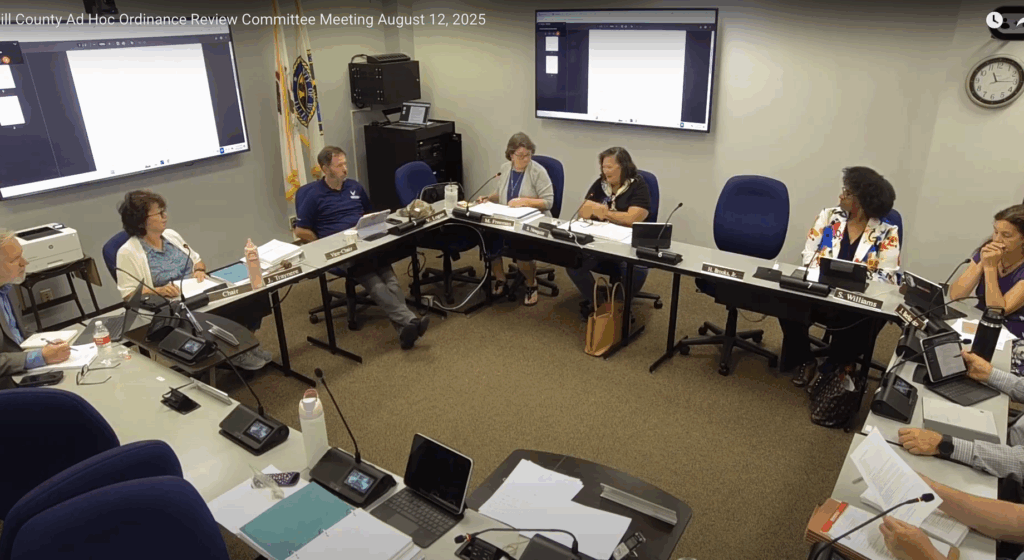
Will County Moves to Repeal Obsolete 1972 Fire Hydrant Ordinance
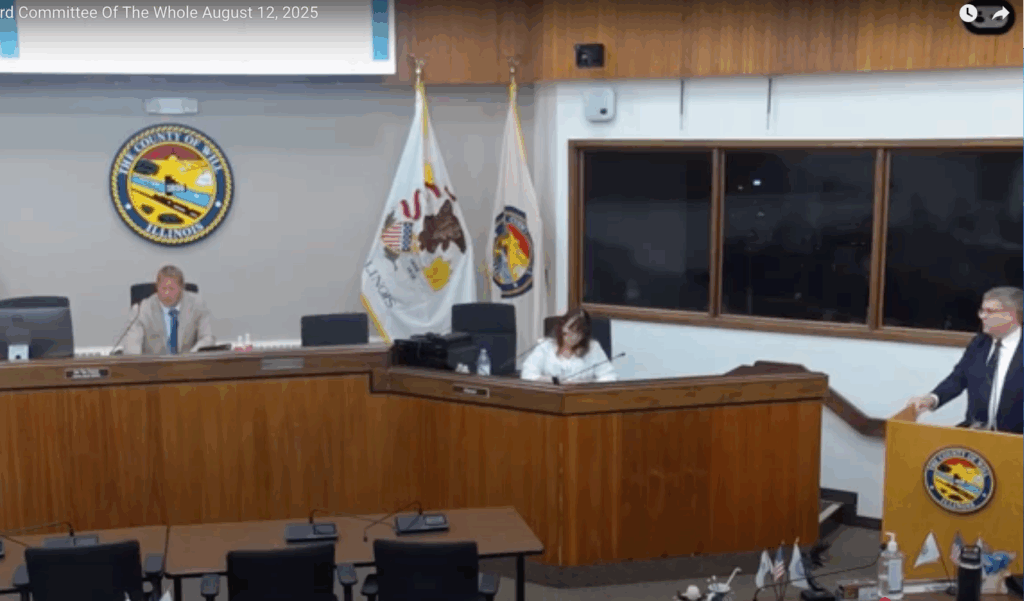
Will County Board Gets Back to Basics with Robert’s Rules of Order Training
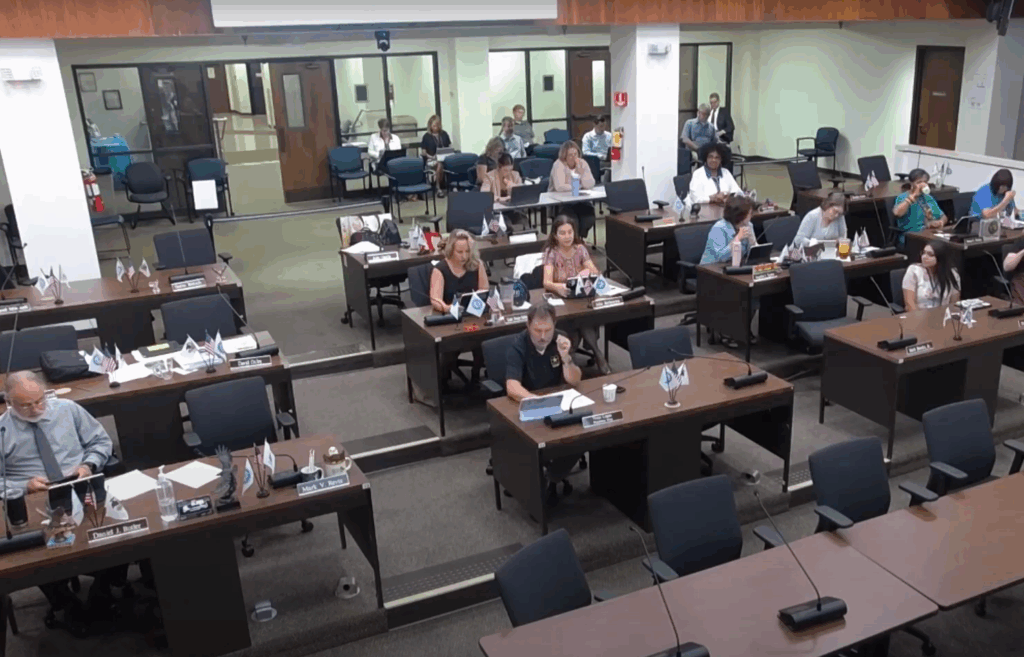
Executive Committee Approves Amended Houbolt Bridge Agreement to Settle Litigation

Meeting Summary and Briefs: Will County Board Committee of the Whole for August 12, 2025
Meeting Summary and Briefs: Will County Ad-Hoc Ordinance Review Committee for August 12, 2025