DOJ sues four states over denial of undercover license plates to federal agents
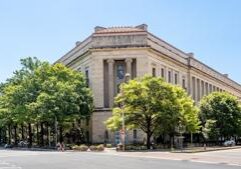
The Department of Justice filed separate federal lawsuits Wednesday against Washington, Oregon, Maine and Massachusetts, escalating a clash between the Trump administration and Democratic-led states over federal immigration enforcement.
The legal action follows a formal warning issued earlier this month by the Justice Department, which all four states refused to act upon. Federal officials argue the restrictions violate the U.S. Constitution, intentionally obstruct federal power and put undercover agents at risk.
The lawsuits stem from decisions by state motor vehicle departments to suspend or heavily restrict the issuance of confidential, undercover license plates to Department of Homeland Security personnel, including Immigration and Customs Enforcement and Customs and Border Protection.
According to court filings, the states have openly targeted these federal agencies due to political opposition to their missions. The DOJ noted in its complaints that:
• Washington suspended both the issuance and renewal of undercover plates for all DHS-affiliated agencies.
• Massachusetts blocked ICE and CBP plates specifically because the state “objects to their immigration enforcement missions.”
• Maine and Oregon placed their entire confidential plate programs under review for federal agencies as a roadblock to civil immigration enforcement.
In a formal letter sent to Washington Attorney General Nick Brown on May 12, Assistant Attorney General Brett A. Shumate warned that the states are unlawfully discriminating against the federal government while simultaneously issuing undercover plates to their own state and local police forces without restriction.
“As the Supreme Court has long held, the Supremacy Clause incorporates principles of intergovernmental immunity,” Shumate wrote, citing United States v. Washington. “A state law or policy is invalid if it regulates the United States directly or discriminates against the Federal Government.”
Similar letters were sent to officials in the other three states.
The DOJ’s court filings assert that the four states are attempting to “obstruct the Federal Government’s immigration enforcement efforts, even though control over immigration and the nation’s borders is an exclusive federal power.”
States push back
State officials have quickly fired back, arguing that they have a right to prevent state resources from being co-opted for aggressive federal immigration crackdowns.
Brown took aim at the Justice Department’s factual and legal premises. In his response letter, Brown countered that the federal government was mischaracterizing the state’s actions.
“Unfortunately, because your letter makes unwarranted threats to take legal action against Washington State, it first appears that a factual clarification is necessary,” Brown wrote. “The Washington State Department of Licensing voluntarily provides hundreds of undercover plates to federal agencies each year. This includes providing license plates to the Federal Bureau of Investigation, the Drug Enforcement Administration, the U.S. Marshals Service, and the U.S. Secret Service.
“The implication in your letter that Washington is denying undercover plates to all federal agencies and thereby potentially hampering federal criminal investigations into terrorism, fraud, and more is simply wrong,” he wrote.
Brown also questioned the DOJ’s interpretation of the Constitution.
“Your letter is also wrong on the law. You suggest that Washington must issue undercover plates to all federal agencies without exception,” he wrote. “But under the Tenth Amendment and fundamental principles of federalism, Washington may choose whether to provide State resources to assist with federal programs.”
Oregon officials framed their refusal as a matter of statutory compliance and state sovereignty.
In a letter to the DOJ, Oregon DMV Administrator Amy Joyce asserted that state vehicle code “permits, but does not require, DMV to issue undercover plates.”
Joyce emphasized that Oregon’s temporary freeze on the program was an administrative compliance check rather than an intentional effort to put agents in harm’s way, writing that the pause was meant to ensure “issuance of vehicle registrations and license plates to federal agencies fully complies with Oregon law.”
Massachusetts and Maine focused their pushback on the actions of immigration enforcement.
Maine Secretary of State Shenna Bellows, who oversees her state’s Bureau of Motor Vehicles, defended the freeze she implemented in January. She clarified that Maine will still issue plates to federal agencies that explicitly agree to conditions excluding civil immigration enforcement.
“We don’t have secret police in a democracy,” Bellows said. “We’re not giving ICE undercover license plates for civil immigration enforcement.”
In Massachusetts, a spokesperson for Attorney General Joy Campbell stated that state lawyers are actively reviewing the federal complaint and intend to “defend the [Registry of Motor Vehicles] policy to the greatest extent possible.”
Safety risks, targeted harassment
The Justice Department counters that the lack of confidential plates directly threatens public safety by leaving federal vehicles exposed to tracking via standard government plates or public records requests.
The DOJ emphasizes that these agents are investigating non-immigration criminal operations — such as narcotics smuggling, weapons trafficking, terrorism, and human trafficking — that require deep covert surveillance.
If suspects can easily identify surveillance vehicles, they can destroy evidence, take violent countermeasures or evade arrest entirely.
Furthermore, federal officials highlighted an increasingly hostile climate for personnel in the field, pointing to specific data from late 2025 and early 2026:
• An 8,000% spike in death threats against ICE officers and their families.
• Documented cases of activist groups “doxing” federal employees to track them to their homes.
• Intelligence reports regarding bounties originating from Mexico offered to shoot ICE and CBP officers.
Legal relief sought
Acting U.S. Attorney General Todd Blanche stated that the Civil Division has been instructed to target any local or state practices that thwart lawful federal operations.
“By denying undercover license plates to DHS components, including ICE, while issuing them to their own state agencies, these governors are pursuing discriminatory and obstructionist policies against federal law enforcement,” Blanche said in a press release. “These actions undermine federal immigration enforcement, allow dangerous criminals to escape justice, and terrorize American communities.”
The Justice Department has filed individual suits in U.S. district courts in each respective state, seeking judicial declarations to nullify the state restrictions and force the immediate resumption of the undercover plate programs for federal agents.


Partly Sunny then Chance Showers And Thunderstorms
Latest News Stories

Executive Committee: Tension Rises as Republican Whip Removed from Panel

Ad-Hoc Committee: County Stripped of Power to Regulate Motor Races, Must Drop Solicitor Fees Due to State Statutes

Commission Overrides Staff Recommendation, Approves Manhattan Township Barn Expansion
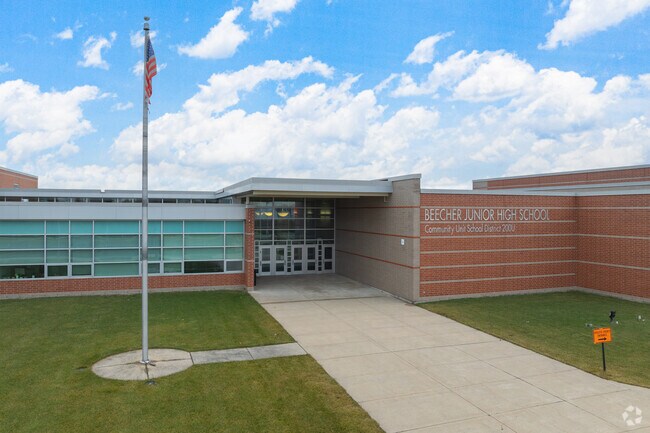
Superintendent Warns of State Funding Gaps Despite Balanced Budget
Executive Committee Advances “Project Northwinds”: 2,475 Jobs and $346 Million Investment Proposed for Former Caterpillar, Lion Electric Sites

Land Use Committee Advances Mokena Scrap Yard and Homer Glen Landscape Business Over Local Objections
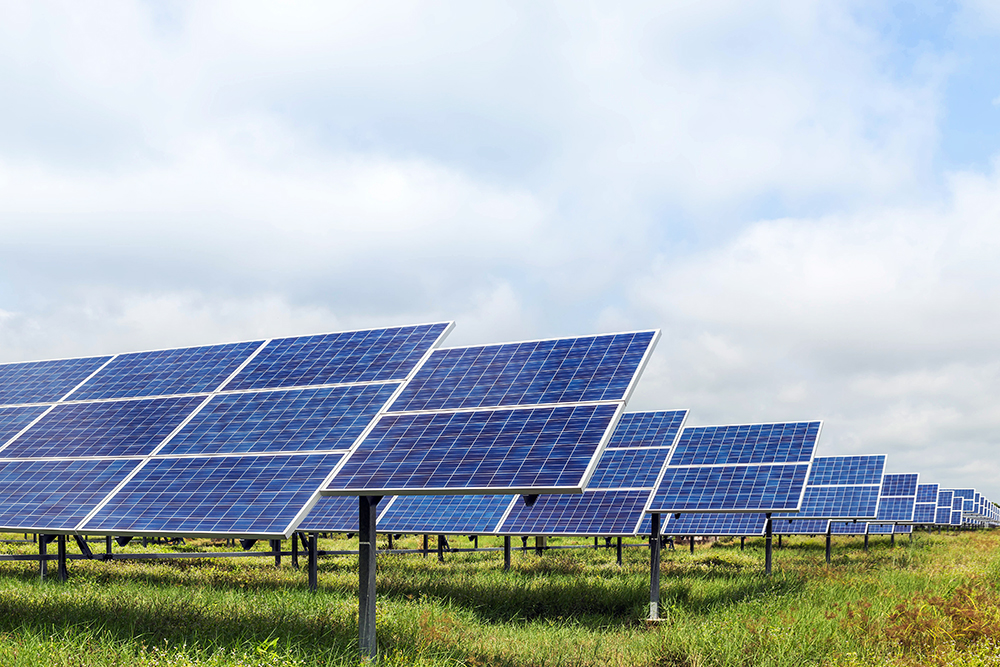
Planning Commission Backs 5-MW Peotone Solar Farm; Developer Pledges Pollinator Habitat and Community Funds
Board Approves New Early Childhood Curriculum and Technology Upgrades
Beecher Schools Review Test Data; ELA Scores Excel While Math Strategies Adjusted
Meeting Summary and Briefs: Washington Township Board for Jan. 5, 2026

Meeting Summary and Briefs: Village of Beecher for February 9, 2026
Meeting Summary and Briefs: Public Health & Safety Committee for February 5, 2026