Supreme Court rules in favor of racially biased jury claims
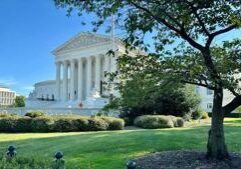
The U.S. Supreme Court, in a 5-4 decision on Thursday, ruled in favor of an Black man convicted of capital murder in Mississippi, who said the jury that convicted him was racially biased.
In the case, Pitchford v. Cain, Terry Pitchford was convicted of robbing a grocery store alongside Eric Bullins in 2004. Bullins shot and killed the store owner during the robbery and recieved a 20-year jail sentence.
However, during jury selection in Pitchford’s case, state prosecutors removed four of the five Black potential jurors. The jury, made up of 11 white jurors and 1 Black juror, convicted Pitchford of murder and sentenced him to death.
“The trial court did not afford Pitchford’s counsel a sufficient opportunity to rebut the prosecutor’s proffered race-neutral reasons for striking the four black jurors and never determined whether the prosecutor’s stated reasons were pretextual,” Justice Brett Kavanaugh wrote in the court’s majority opinon.
In Batson v. Kentucky, the high court established a precedent that jurors could not be excused from a case based on race. Rather, a prosectors must come up with a race-neutral explanation to excuse a juror. The majority of justices said the trial court did not adequately adhere to that requirement.
“Whether due to confusion, oversight, an overly hurried jury selection process, or some other cause, things broke down, and the ordinary trial-court procedure for resolving Batson claims at step three never occurred— notwithstanding the repeated efforts of Pitchford’s counsel to pursue and preserve the Batson objection,” Kavanaugh wrote.
However, Justices Neil Gorsuch, Clarence Thomas, Samuel Alito and Amy Coney Barrett disagreed with the majority arguments. Gorsuch, in the court’s dissenting opinion argued that state prosectors provided adequate reasons, other than race, to dismiss the Black jurors.
“One prospective juror, it said, had returned late to court after lunch break and had a history of mental problems,” Gorsuch wrote. “Two had brothers who had been convicted of violent offenses. Another ‘had no opinion on the death penalty.'”
Gorsuch also argued that the court’s majority opinon did not outline how the case should proceed in the future and what steps similar cases should take. The high court overruled lower court’s decisionmaking in this case and will return consideration of Pitchford’s conviction, with a clarified understanding of jury selection procedures.


Mostly Sunny
Latest News Stories

Finance Committee: Beecher Schools Project Balanced Budget, Earmark Funds for Major Projects
Will County Health Department Seeks $1 Million to Avert ‘Drastic’ Service Cuts from Expiring Grants
Will County’s “First-in-Nation” Veterans Center to House Workforce Services, Sparking Debate
Improved Vendor Service Creates $1.2 Million Shortfall in Sheriff’s Medical Budget
Will County Public Works Committee Unveils 25-Year Transportation Plan, Projects $258 Million Gap
Will County Animal Protection Services Seeks New Facility Amid “Gaping Wound” of Space Crisis
Board Confronts Animal Services Crowding, Explores Future Facility Options
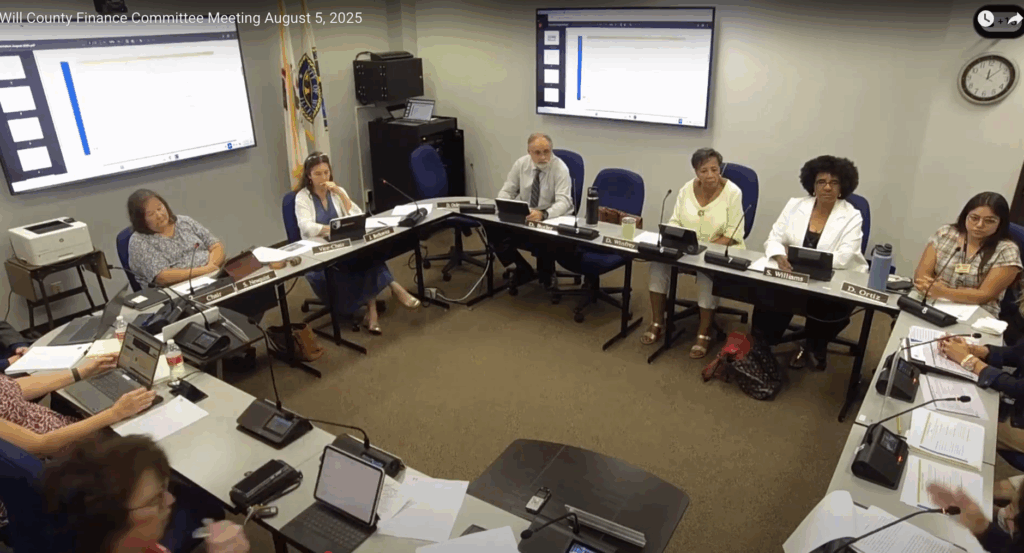
Will County Board Members Demand Transparency in Cannabis Tax Fund Allocation
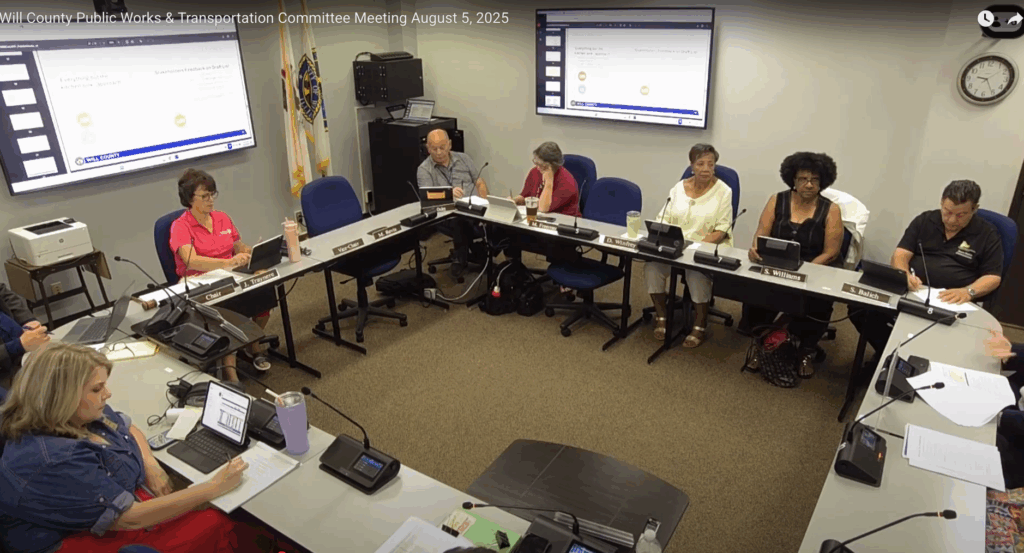
Homer Glenn Residents Push Back on 143rd Street Widening as Officials Signal “Tentative Agreement”
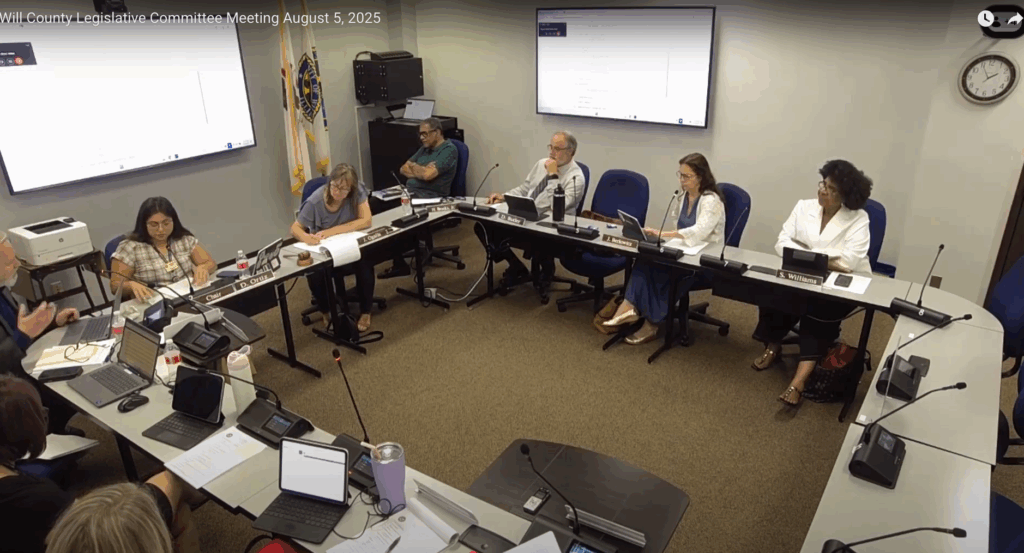
Will County Forges 2026 Federal Agenda Amid D.C. Policy Shifts, ‘Big Beautiful Bill’ Impacts
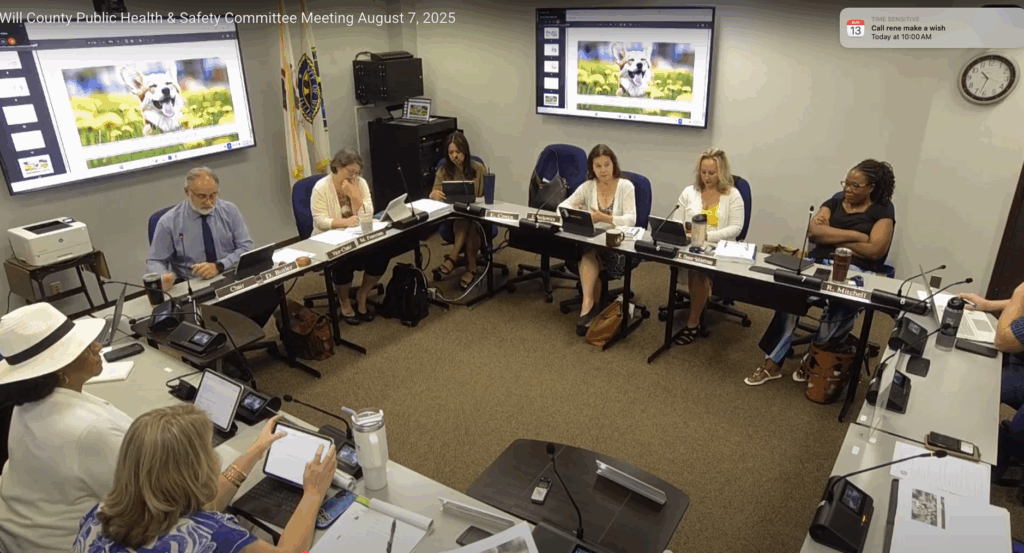
Health Department Seeks $1 Million Levy Increase to Prevent “Weakened System”
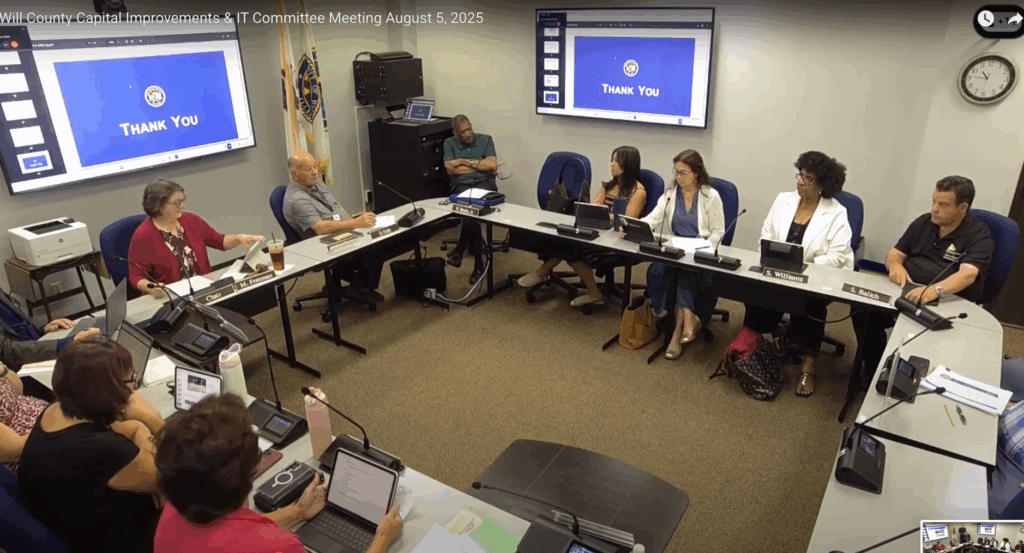
County Rolls Out New “OneMeeting” Software to Improve Public Access

Meeting Summary and Briefs: Will County Board Finance Committee for August 5, 2025
Will County PZC Approves Rezoning for Truck Repair Facility on Manhattan Road Amid Resident Concerns