
Alcohol tax amendments may be unconstitutional
(The Center Square) – Illinois government officials have proposed amending the way the state taxes alcohol, but the changes may not be constitutional.
The 2026 Illinois Register Rules of Governmental Agencies is seeking to update definitions of the various categories that differentiate types of alcohol.
Jacob Macumber-Rosin, excise tax policy analyst with the Tax Foundation, said the proposed changes are intended to align the administrative code with current statutes in the Liquor Control Act.
“The Department of Revenue has collected taxes using a rate that is different from what is in the administrative code and different from what is in the statutes, and they’re now attempting to update the administrative code to align the administrative code to the statute,” Macumber-Rosin told The Center Square.
Macumber-Rosin said Illinois’ alcohol taxes have been messy since a 1988 state Supreme Court ruling struck down the tax scheme at the time. He said the court stressed the need for the legislature to establish tax rates that comply with the state’s constitutional mandate.
“It does not seem like they did that,” Macumber-Rosin said, adding that the state could face costly legal challenges if the new code is actually enforced.
According to the Tax Foundation, 0.5% alcohol-by-volume bourbon-infused ice cream would be taxed more than 1,000 times as much as alcohol in 14% ABV beer under the proposed amendments.
Macumber-Rosin said Illinois taxes alcohol on a categorical basis, defining products by how they are made while trying to accommodate the state’s uniformity clause.
“There’s compliance and administration costs of dealing with all this unnecessary complexity and the unclear treatment of some products,” Macumber-Rosin said.
Macumber-Rosin said the optimal way to tax alcohol is by volume, levying a tax directly on the alcohol content of alcoholic products.
“That’s sort of the way to modernize the alcohol structure. That would be sort of the better way that they should do it, I should specify, although I might also specify that the responsibility of doing that really rests with the legislature, not the administrative code,” Macumber-Rosin said.
The next meeting of the Joint Committee on Administrative Rules is scheduled for June 16. No Department of Revenue items were on the agenda as of Thursday.





Partly Sunny then Slight Chance Showers And Thunderstorms
Latest News Stories

Meeting Summary and Briefs: Will County Land Use & Development Committee for February 5, 2026
Beecher Village Board Splits on Capital Spending: Park Stage Renovation Rejected, Police Sign Approved

Meeting Summary and Briefs: Will County Executive Committee for February 11, 2026

Group Presents Allegations of 2024 Voter Roll Errors to County Board
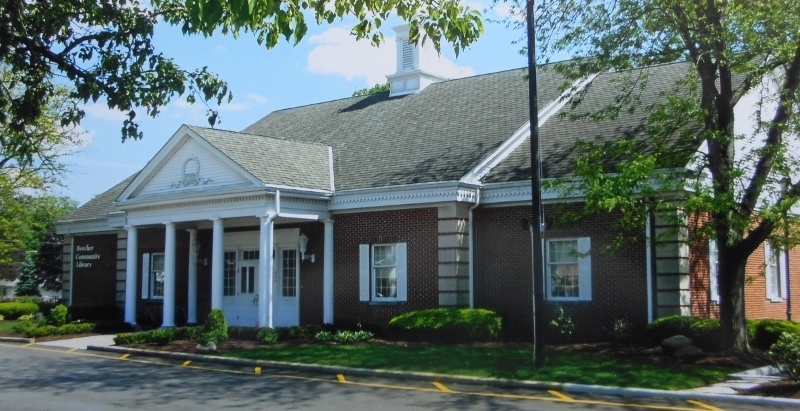
Library Moves Forward with Entrance Project, Faces Heating System Failure

Will County Board Advised on Strict “Judicial” Role Ahead of Landfill Expansion Application

Ad-Hoc Committee: Bath House Regulations Updated; Removes 60-Day Licensing Window
Land Use Committee Rejects Shorewood Solar Farm Despite 25-Year Lease Offer
Executive Committee Advances $28.7 Million BNSF Bridge Project for Lorenzo Road
Land Use Committee: ‘Clean Fill’ Proposal Stalls After Unauthorized Tree Removal Sparks Environmental Concerns

Meeting Summary and Briefs: Will County Planning and Zoning Commission for February 17, 2026
Ad-Hoc Committee: Liquor Ordinance Stalls Over Drafting Errors; Debates License Cap Policy

