
More than 60% of Minnesota high-risk Medicaid providers fail review
Nearly two-thirds of Minnesota’s high-risk Medicaid providers have had taxpayer funding paused following a federally-mandated review process that state officials say was necessary to protect up to $2 billion in federal funding.
The Minnesota Department of Human Services announced on Thursday it completed a review of 5,583 providers participating in 13 high-risk Medicaid programs.
Of those providers, 2,061 were successfully revalidated and can continue providing services without interruption. Another 3,411 providers were notified they would be unenrolled, including 2,491 for incomplete paperwork or documentation, 916 for failing site visits and four for failing background studies.
An additional 111 providers were removed from review because they were no longer providing high-risk services, while 59 providers were referred to the agency’s Office of Inspector General for further review.
That means more than 60% of Minnesota’s providers in high-risk services, which includes everything from adult companion care to nonemergency medical transportation, failed to meet the review’s standards.
State officials said the review was required by the federal Centers for Medicare and Medicaid Services which was attempting to address fraud. Had the state failed to complete the review, it risked losing up to $2 billion in federal Medicaid funding.
“More than 1 million Minnesotans deserve to have confidence and trust in the Medicaid providers they depend on for lifesaving and life-affirming care,” Minnesota Department of Human Services Deputy Commissioner Shireen Gandhi said in a statement. “We are grateful to the providers who successfully completed the revalidation process and will continue to provide quality care.”
Providers were required to submit ownership and licensing information, demonstrate adequate staffing levels, complete fingerprint background studies and undergo unannounced site visits during the five-month review process, which ended on May 31. Nearly 40% of the providers under review were located in Hennepin County, which includes Minneapolis and is Minnesota’s most-populous county.
Gandhi said the review was more than just a bureaucratic formality, emphasizing that the information submitted by providers was used to verify compliance with state and federal standards.
“The paperwork is a critical step,” said Gandhi. “This is just not checking the box. DHS uses the information to check requirements are met. And when we go on site what we see must match what was submitted to us.”
The results drew sharp criticism from state Rep. Kristin Robbins, R-Maple Grove, who chaired the Republican-led House Fraud Prevention and State Agency Oversight Committee during the 2025-26 legislative session.
“The mismanagement and failure of internal controls that would disqualify 63% of high-risk Medicaid providers is staggering,” Robbins told The Center Square in an exclusive interview. “I am so grateful that CMS came in here to require revalidation and to start restoring integrity in our Medicaid programs.”
Robbins said the review should have been occurring before federal intervention.
“It’s a start,” she said. “It is a very basic revalidation of documents, ownership, location – existence! – and staffing. This should have been happening all along.”
The review comes after months of scrutiny over fraud and oversight concerns in Minnesota’s public assistance programs – concerns that many have directed at the Walz administration. Minnesota’s timeline of five months was streamlined due to concerns of widespread fraud. All other states have been given two years by the federal government to complete the same process.
Last month, House Republicans on the fraud committee released a majority report summarizing a two-year review of fraud accusations across multiple state programs, including Medicaid waiver services and childcare assistance.
Robbins said she still has questions about the providers that were removed from the Medicaid program.
“Of the 111 who were no longer providing services, were any still billing Medicaid?” Robbins asked. “Of the 916 that failed the site visit, how many were actually operating? Of the 59 referred to the inspector general, were they all referred for fraud?”
The department said 59 providers were referred to the agency’s Office of Inspector General for further review. That office was just established in this past legislative session in an effort to address taxpayer fraud in the state, which is estimated to total between $9 billion and $20 billion.
The Minnesota attorney general’s office also received funding to expand its Medicaid Fraud Control Unit.
“Minnesotans deserve to trust that businesses receiving Medicaid dollars are legitimate and properly credentialed, and that they provide quality care,” said Human Services Inspector General James Clark. “We’re not just resetting expectations for providers, we’re also establishing a baseline for building back public trust.”
State officials emphasized that unenrollment does not necessarily indicate fraud, especially as many providers were removed because of incomplete applications or missing documentation.
Robbins acknowledged concerns raised by some providers who believe they were improperly unenrolled.
“I have heard concerns from a couple of providers who claim they were disqualified even though they met all of the requirements,” Robbins said. “Providers who feel they were disqualified in error have 60 days to appeal and can continue providing services, but not bill for them until DHS reenrolls them. In some cases, DHS has indicated they will allow providers who are appealing to even keep billing for services if it may negatively impact vulnerable citizens.”
That said, state officials did emphasize they made sure to do their due diligence informing providers, noting the department contacted providers multiple times during the review process, including at least three written notices and more than 6,500 follow-up phone calls. The state also offered virtual meetings, technical assistance sessions and other resources to help providers complete the requirements.
DHS said it has been working with counties, tribes, managed care plans and other partners to help patients across Minnesota maintain access to services.
“Minnesota counties are the first point of contact for most Minnesotans who receive Medicaid services, so while the revalidation process has been a state responsibility, counties are actively responding to questions from clients and even providers who have been disenrolled,” said Julie Ring, executive director for the Association of Minnesota Counties. “We appreciate the engagement with DHS during this process and counties are committed to working in partnership with DHS to ensure continuity of care for all Minnesotans statewide.”





Chance Showers And Thunderstorms
Latest News Stories

Health Department Outlines Major Reduction in Consensus Vaccine Schedule
Board Approves Safety Funding Amendment, Hires Bus Driver

Public Works Committee Forwards Condemnation Proceedings for Francis and Marley Road Improvements

Finance Committee: Scholarship Tax Credit Discussion Halts

Will County Health Department Reports Rise in Respiratory Illnesses, Updates on Facility Issues

Public Works Committee Delays Vote on State Police License Plate Cameras Amid Privacy Concerns

Beecher School Board Reviews New Policies on AI, Student Privacy
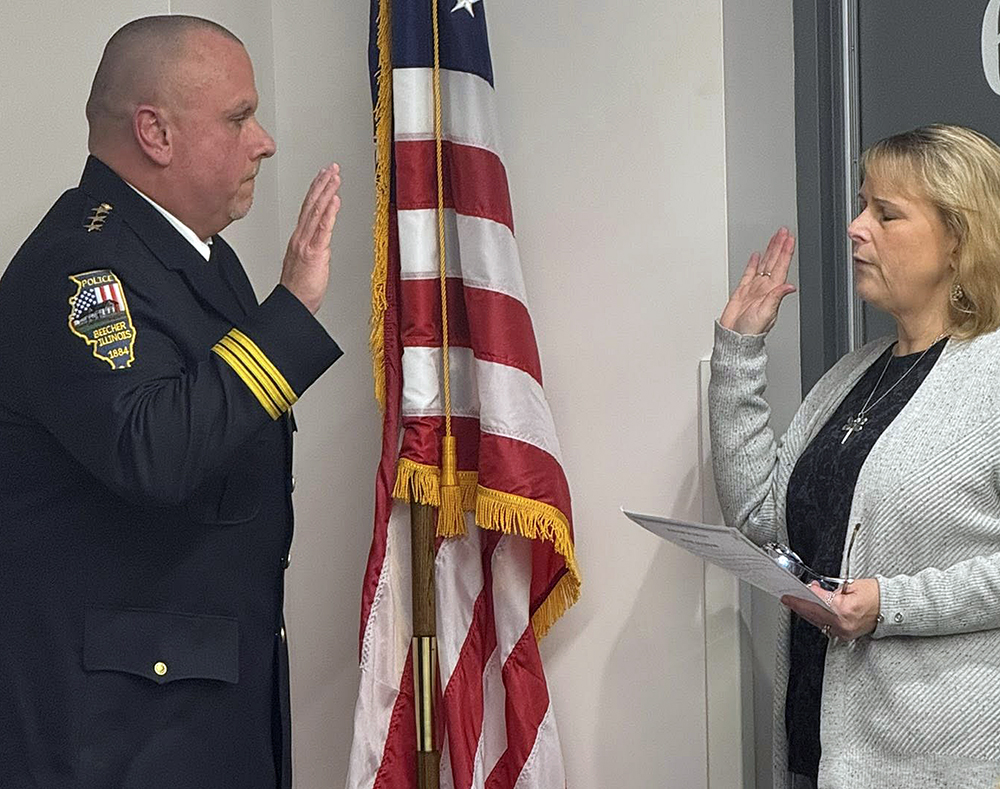
Chief John Galvin Heads Beecher Police Department
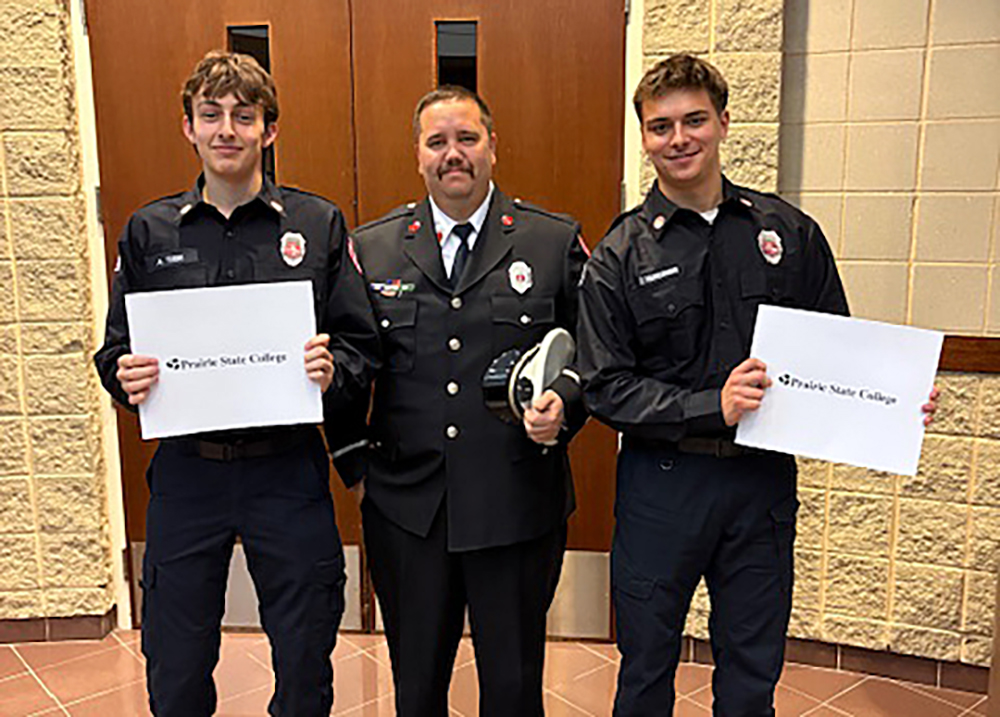
Tieri and Gorcowski Graduate from the Prairie State College EMT
Beecher High School Students Exceed Goals for Community Food Drive
Flint Man Charged with 1988 Murder of Wife Joan Bernal Following Cold Case Breakthrough
Beecher School Board Approves 2025 Tax Levy; Rate Projected to Drop