Illinois congresswoman critical of mail cutbacks as USPS runs low on funds
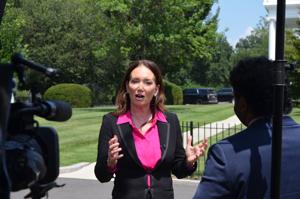
(The Center Square) – A congresswoman from Illinois has again brought calls on the United States Postal Service to improve rural delivery service in the country.
The issue, notable in her district and across Illinois, was raised amid larger conversations about the independent agency’s financial viability.
U.S. Rep. Nikki Budzinski, D-Springfield, is familiar with congressional discussions surrounding the independent federal agency, as she leads the Congressional Postal Service Caucus in the House.
The USPS is self-funded and operated on $80.9 billion in revenues with $89.8 billion in expenses in fiscal year 2025.
In a House Oversight and Government Reform committee hearing, the congresswoman noted the agency ran at a net-loss of more than $9 billion last year and questioned Vice-Chair Robert Taub.
“In the coming months and years as Congress moves forward with potential reform ideas, I want to emphasize the importance of an independent Postal Regulatory Commission, and look to expand its oversight ability,” Budzinski said.
The congresswoman scrutinized the USPS’s Regional Transportation Optimization initiative that was implemented despite warnings from the regulatory commission.
The initiative, which came into full effect in April of 2025, eliminated same-day and end-of-day mail collection services for post offices beyond 50 miles from a regional processing facility.
According to the National Association of Postal Supervisors, the RTO effectively ended overnight express mail service for 71% of the country, meaning if a person were to rush a package or mailpiece to their post office before it closes for the day, it won’t move until the next morning.
Taub defended the commission’s role in the matter, mentioning it recommended against the USPS plan.
Taub said the body came to the commission, as required by law, for input on the plan in December 2024. He said the body’s input was that the then-proposed initiative was based on little, if any, savings for the service, which they could not verify.
“[We had] deep concern that we were seeing, what was going to be created, was creating a tale of two Americas, shall we say. Rural America is going to see delayed service, slower service under this plan,” Taub told the congresswoman.
He noted those concerns have played out.
Budzinski also asked about the Postal Regulatory Commission’s approval for the USPS to repurpose revenue it would otherwise use for employee retirement benefits to maintain some level of financial stability.
“It’s not a panacea or fix, but I think it provides Congress and all of us an opportunity, a little bit of more breathing room to not reach for choices of desperation,” Taub said.
He also said the commission allowed the USPS to raise the cost of their most-used products beyond the level of inflation in order to be able to pay their obligations before approving the shift in retirement funding.
Under current fiscal conditions, Congress is being called on to provide a legislative solution to the agency’s growing money problems.
Larger questions about the USPS’s ability to operate have been raised in recent months and years, especially since President Donald Trump took office for his second term.
One proposal from the president is to potentially privatize the service.
Budzinski and more than 150 other lawmakers in D.C. addressed a letter to the president calling a potential privatization of the body a “betrayal to the more than 640,000 postal employees.”
Soon after taking up the job, of Postmaster General David Steiner addressed employee concerns of privatization.
“I believe in the current structure of the Postal Service as a self-financing, independent entity of the executive branch,” Steiner said in a July 2025 video to staff.
The agency’s operations were largely government-funded until the 1970s.
Though the USPS operates on a self-funded model, it is still authorized to request annual appropriations for operating costs, up to $460 million from the federal government – which it has not requested or received since 1982.
Despite the model, the agency has not seen a net-profitable year since 2006 – which a 2025 Postal Inspector General report attributed to internet access and email services being favored over first-class mail.



Chance Showers And Thunderstorms
Latest News Stories

Beecher Library Schedules New Window Installation for Early August
Illinois quick hits: Gun ban challengers petition SCOTUS; man sentenced for COVID fraud
WATCH: Trump: Illinois’ ‘slob of a governor’ should call for help with public safety
Beecher Library Awarded Over $10,000 in State Per Capita Grant
WATCH: Legislator says Illinois’ child welfare agency uses interns, has legal exposure

Economic index shows reduced uncertainty, more stability in Midwest
New law sparks debate over Illinois school mergers, communities fear loss

Illinois in Focus: Rest area burglary arrests made; overdose awareness events planned

Trump-appointed judge blasts administration for campaign against judiciary
Report: Teachers’ unions give millions to progressive causes

Illinois quick hits: Record hotel tax revenues reported; grocer sentenced for SNAP, WIC fraud
Trump goes on attack over digital services taxes, threatens tariffs
WATCH: Policy questions loom as Pritzker announces ag investment, tax credits