Inflation spikes to 4.2% in May, highest in three years
U.S. inflation rose by 0.5% in May, coming up to 4.2% over the past 12 months, according to data from the U.S. Bureau of Labor Statistics released on Wednesday.
The inflation rate is now the highest it has been in the past three years.
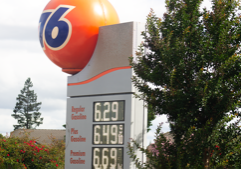
The index for energy prices rose by 3.8% in May after rising 3.8% in April and 10.8% in March. The energy index accounted for more than 60% of all monthly item increases.
Heather Long, chief economist at Navy Federal, pointed out that the inflation rate in February, before the U.S. conflict with Iran, was at 2.4%.
“Americans are getting squeezed financially,” Long said. “There is real pain, especially for middle-class and lower-income households.”
Prices for food and shelter also drove the uptick in May’s inflation rate. Shelter prices increased by 0.3% for a yearly totaly of 3.4% and food prices increased to 3.1% for the year ending in May 2026.
“It’s tough because so many basic items are seeing sizable price increases: gas, electricity, food, medical care,” Long said. “This isn’t just ‘bad vibes’ about the economy.”
Long pointed out that inflation is currently erasing the meager wage gains seen in the market. Wage growth in May was 3.4% over the past year.
Chris Zaccarelli, chief investment officer for Northlight Asset Management, said the data in May was in line with expectations. He warned inflation shows the Federal Reserve cannot cut interest rates soon.
“It’s very possible that things wrap up in the Middle East and shipping gets back to normal over the course of the rest of the year, in which case we can see inflation come down over time and the Fed could hold off raising rates, but if things stay as they are currently, then all bets are off,” Zaccarelli said.
The Competitive Enterprise Institute said a rate hike could be coming at some point.
“Inflation is not going to reach COVID-era levels of 9 percent, but it will likely stay above 4 percent for a while,” CEI Senior Economist Ryan Young said in a statement provided to The Center Square. “The two main causes of rising prices were both avoidable: tariffs and the Iran war. … The Federal Reserve is still likely to hold rates steady at next week’s meeting, but a rate increase down the road is now more likely. Three months of good jobs numbers give the Fed some room to raise rates, though slowing GDP growth, again due to tariffs and war, do not make the Fed’s job any easier.”




Chance Showers And Thunderstorms
Latest News Stories
Bipartisan commission votes to release report on former rep’s misconduct

Shah, Feely to face off in battleground House race
Trump ‘final dealmaker’ on Saudi nuclear deal, Leavitt says

Sherrill pressured to expand probe into New Jersey voting scandal
Appropriations committee examines policies to end government shutdowns
Illinois quick hits: Toll hike hearings conclude Friday

Administration presses law school accreditor over DEI policies

Chicago can force landlords to pay tenants $10K for ‘relocation assistance’

Speaker’s response to staffer assault complaint draws questions on his own conduct
Republicans’ $95B budget resolution passes House
$1.15T Pentagon funding authorization bill passes U.S. House
Lawmakers debate GLP-1 regulation, expansion