
Trump: 100M barrels of oil passed through Strait of Hormuz
A secret U.S. military mission has enabled more than 100 million barrels of oil to traverse the Strait of Hormuz in roughly the past month, according to President Donald Trump.
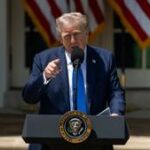
The president disclosed the mission and its apparent fruits during a press conference in the Oval Office and on social media Wednesday afternoon.
“Last month, I directed our great U.S. military to execute a secret mission to support oil tankers and other commercial ships through the Strait of Hormuz,” Trump wrote.
Trump said the military’s support has resulted in over 200 commercial ships and 100 million barrels of oil safely passing through the strait.
“This wildly successful effort is because the United States of America controls the Strait of Hormuz — NOT Iran. Their military is defeated, and their economy is lost. It’s over for Iran!” Trump continued.
The post comes on the heels of a barrage of U.S. strikes on the Islamic Republic with more to come, Trump told reporters Wednesday during an Oval Office press conference.
“We hit them hard yesterday and we’re going to hit them hard again today,” the president said, as reported earlier by The Center Square. “We have the right to do that.”
Trump also expressed frustration that Iran was taking “too long to negotiate a deal,” though he has typically presented an optimistic outlook to the public throughout the ceasefire.
The U.S. and Israel conducted joint military operations in Iran at the end of February with the goals of destroying Iran’s military industrial complex and severing the country’s path to a nuclear weapon. Though the administration said the American operation had accomplished many of its goals, leading to a ceasefire in order to negotiate a nuclear deal, Iran has maintained a hold of the strait, sending global oil prices surging.
The U.S. has continued trading blows with Iran while saying they’re in a ceasefire, justifying its actions as defensive in nature.
The price of Brent crude oil was up Wednesday, spiking to $91.57 at one point in the afternoon. Prices peaked Tuesday at $89.63. Prices were climbing steadily at the start of the year, rising from $53.43 to $62.14 over roughly the first month of 2026, but they shot up not long after the start of the U.S. Operation Epic Fury. In early March, prices began ranging from the high 80s to a steep $112.95 per barrel in April.
Americans have seen higher prices at the pump throughout the conflict, though they have generally fallen over the last month from a national average of $4.52 to $4.15 on Wednesday.
But head of petroleum analysis at GasBuddy, Patrick De Haan, warned in a June 8 blog post that the strait remains “effectively closed” and that the letup may not last.
“Average gasoline prices declined in virtually every state over the last week as oil prices continued to fall, with crude approaching $90 per barrel and refiners ramping up output following seasonal maintenance,” said Patrick De Haan, head of petroleum analysis at GasBuddy. “However, the future of prices remains murky. With the Strait of Hormuz remaining effectively closed, global oil supplies continue to tighten, and any further deterioration in the situation could send prices sharply higher.”





Chance Showers And Thunderstorms
Latest News Stories

More pros than cons: ALEC panel discussion focuses on positives of data centers
Trump hits 60 nations with forced-labor tariffs

Illinois news in brief: Year-over-year unemployment rates rise; Judge gives Rockford woman six months for stealing from booster club; Chicago Fed’s National Activity index rises

Voters say economy rigged for wealthy as Trump earns low marks

Parents challenge special ed regulation for private schools, seek SCOTUS review

Trump: Data center boom will lower Americans’ energy costs

Election 2026: Third day of filing for Graham’s seat remains quiet

White House has extra asks for stalled federal highway bill

Carolina, Virginia Tech chosen for fellowship program by War Department
Future regional power supply down, but not out

Exclusive: USDA distributing loans to Oregon, Nevada sawmills to expand timber production

Lawsuit claims digital asset tax is unconstitutional