
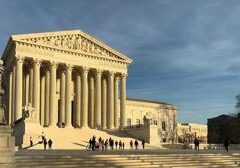
Supreme Court rules against company lawsuit over unlawful regulations
The U.S. Supreme Court, in a 6-3 decision on Thursday, said private companies do not have an automatic right to sue over unlawful contracts.
The case, FS Credit Opportunities v. Saba Capital, focused on a company engaged in “activist investing,” a practice where investment companies identify low performing mutual funds and purchase a large portion to alter the funds’ investment strategies.
Saba Capital, the company at the center of the case, is based in Maryland, where practices of “activist investing” are against the law. Saba sued over the Maryland law, claiming it violated the Investment Company Act, which regulates investment companies.
Lower courts agreed that Saba had the right to sue to challenge the law. However, justices on the high court disagreed and reversed the lower court decision.
Justice Amy Coney Barrett said the Investment Company Act did not provide an automatic right to sue over a law, even if it was deemed unlawful. She said Congress did not expressly create an enforcement action for the law.
“Congress’s decision to create a comprehensive agency enforcement scheme supports the conclusion that private parties generally cannot enforce the ICA,” Barrett wrote in the court’s majority opinion.
Justices Elena Kagan, Sonia Sotomayor and Ketanji Brown Jackson disagreed with the majority’s position. The dissenters said justices in the majority did not fully consider how Congress has legislated on private rights of action.
Brown Jackson wrote there is evidence in the congressional record that lawmakers wished for companies to have a private right to action under the Investment Companies Act. She criticized the majority for not ruling in favor of companies seeking relief from percieved unlawful actions.
“Legislative Committee Reports unequivocally expressed Congress’s ‘wish’ that the statute continue to be interpreted to allow private suits, notwithstanding this Court’s increasing penchant for refusing to recognize implied rights of action,” Jackson wrote.
Barrett said the plain meaning of the language negates evidence in the congresional record of a different intent.
“The phrase ‘a court may not deny rescission at the instance of any party’ is most naturally read to direct a court’s remedial power when a party before it is urging rescission,” Barrett wrote in the majority opinion.



Chance Showers And Thunderstorms
Latest News Stories
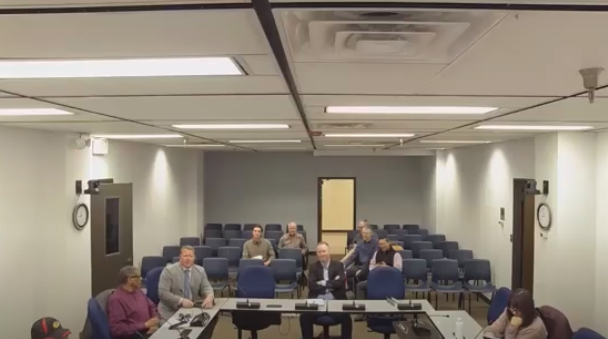
Will County Land Use News Briefs
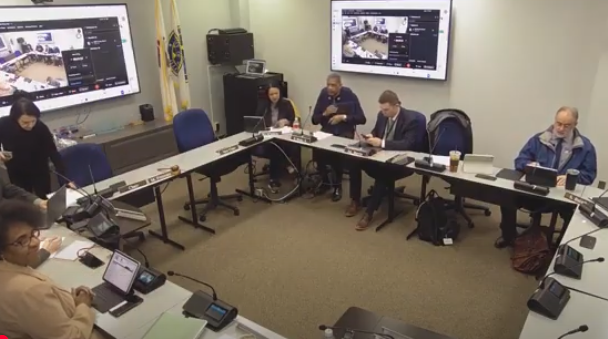
County Moves Forward with Veterans Building Renovations, Questions Arise on Pace Building Plans
County Continues Efforts to Reduce Leased Office Space Footprint
County Reports Significant Cost Savings Through In-House Facility Projects
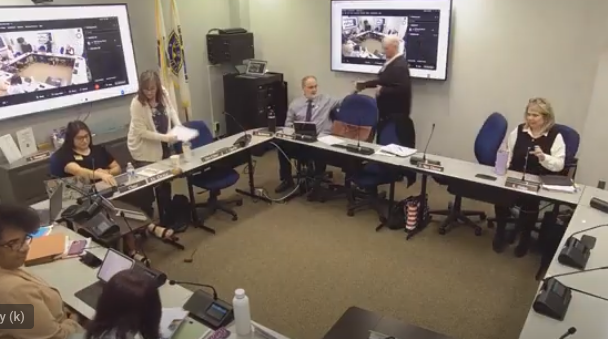
County Legislative Committee Endorses Electronic Recycling Bill, Reviews Transit Governance
Will County Capital Improvements News Briefs
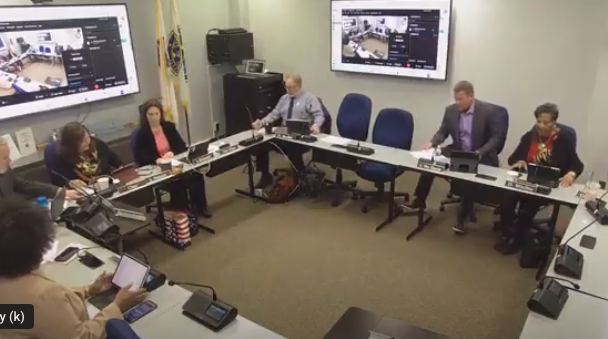
County Finance Committee Advances Proposal for Elected Official Pay Raises After 20-Year Freeze
Will County Committee Debates Process for Taking Positions on State Legislation
State Lobbyists Update County on Springfield Action as Legislative Deadlines Approach
Will County Legislative Committee News Briefs
Shanahan Development Agreements Near Completion, Will County to See $282,000 Annual Revenue Boost
County Explores Bond Refinancing Options to Generate Potential Savings
County Approves $150,000 for Medicare/Medicaid Billing Consultant for Health Department, Nursing Home
- « Previous
- 1
- …
- 190
- 191
- 192