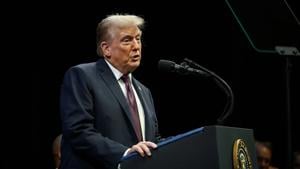
DeWine vetoes absentee voter photo ID
Ohio legislative Republicans have not committed to an override of Republican Gov. Mike DeWine’s veto of a bill requiring voter ID for absentee ballots, but they did offer strong criticism of their fellow GOP members.
Senate President and GOP lieutenant governor nominee Rob McColley, R-Napoleon, called DeWine’s action disappointing likened it things happening in Democrat-controlled states.
“Photo ID laws are supported by a vast majority of Ohio voters,” McColley said in a statement. “It is disappointing the governor would oppose such a commonsense election security bill when Democrat controlled states such as Virginia and Hawaii have repealed their photo ID laws. HB 472 when combined with this fall’s Constitutional Amendment requiring photo identification to vote would have given Ohioans the confidence to know that their election system was the most secure in the country.”
But DeWine said voters already have confidence in Ohio’s election and the bill offers no new election security, only expense, and not discourage potential voter fraud.
“House Bill 472 would not discourage fraud, would not add any real security, and would create an additional and significant burden for Ohioans who vote by mail,” DeWine said in a statement. “This bill is not needed, because Ohio does an excellent job running elections. We know who wins on election night and not weeks later!”
DeWine also said the Ohio Association of Election Officials – a trade group made of up Republican and Democrat state election officials that represents all 88 Ohio counties – said the state’s elections are regarded as one of the most secure in the nation.
The veto drew praise from some voter rights groups.
“Thank you, Governor DeWine, for recognizing the strength of Ohio’s existing election checks and balances and the importance of ensuring accessible voting for all Ohioans,”CatherineTurcer, executive director of Common Cause Ohio said in a statement. “This legislation was rushed and unnecessary.”
The Ohio Legislature is not expected to return to session until after the November elections.
DeWine also vetoed House Bill 173, which would have exempted companies that buy and resell electricity at a profit from being defined as public utility companies. However, the so-called “submetering” companies would still have been subject to oversight of the state Public Utilities Commission.
DeWine thought the legislation should have included greater protections for consumers.
“While this bill does contain some consumer protections, they are not as robust as those afforded to customers of Ohio’s electric utilities,” DeWine said. “I commend the Legislature on the work done on this bill. They included provisions to protect consumers. However, the submetering model, itself, is fundamentally flawed.”
State Reps. Tristan Rader, D-Lakewood, and Sean Patrick Brennan, D–Parma, praised the veto, agreeing it would weaken consumer protections for people who live in submetered apartments and condominiums and for small businesses.
“This bill would have codified a broken submetering scheme that puts middlemen between tenants and the utilities they depend on,” Brennan said. “After the Ohio Supreme Court affirmed that these companies can be treated as public utilities, HB 173 would have weakened hard-won consumer protections for renters and utility customers. This veto is a victory for basic fairness.”



Partly Sunny
Latest News Stories

Weather Delays Force Extension of Leaf Collection in Beecher

Beecher Digs Out from 12.4 Inches of Snow; Sub-Zero Cold Forecast for Friday
Illinois rejects federal ‘no tax on tips’ rule, keeps state tax on tipped income

Contractors Clash on Cause of Elementary School Leaks; Committee Weighs Window Replacement

Frankfort Turns to County for Wildlife & Dangerous Animal Control

JJC Foundation Director Kristin Mulvey to Retire After 25 Years of Transformative Leadership

Attack foiled in Ft. Worth day before National Guard troops shot in WDC

Hundreds of flights canceled in Chicago as winter storm wreaks havoc

WATCH: IL legislator wants more transparency for taxpayer funded credit cards

Beecher Officials Review Recreational Fire Rules Following Smoke Complaints
Crete “Group Care” Home Approved for Senior Living

Fiscal Fallout: States continue to increase budgets despite end of COVID emergency