Illinois to see 4 new consumer protection laws enacted
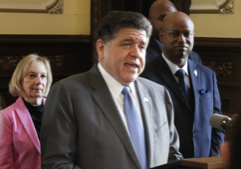
(The Center Square) – Illinois Gov. J.B. Pritzker was joined by state lawmakers and other officials Thursday to sign a four-bill package of legislation aimed at targeting deceptive and fraudulent business practices Thursday.
The new consumer-focused laws have been introduced for multiple years and have been a collaborative effort between Pritzker, Attorney General Kwame Raoul and state lawmakers.
“Every day, families across the state are making difficult choices about how to stretch their paychecks,” the governor said. “This legislative session, the general assembly and I put our shoulders to the wheel to lower costs for working families.”
Prohibition on Bots Purchasing Tickets Act
At independent Chicago venue Concord Music Hall, founder of the venue and music festival Riot Fest, “Riot” Mike Petryshyn celebrated a number of bills signed by the governor that he said will support event attendees when buying tickets.
“People just want a fair shot at tickets and know exactly what they’re getting. That’s why we’re happy to support these efforts. Requiring ticket prices to be up front gives fans more transparency and it helps build trust. Going after bots means more real fans have a chance to buy tickets instead of competing with automated software,” Petryshyn said.
The pair of laws will make it illegal to use automated bots to purchase tickets to events and for ticket sellers and resellers to sell non-existent tickets.
Junk Fee Ban Act
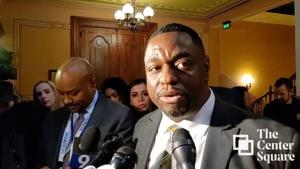
State Rep. Bob Morgan, D-Chicago, said his law is intended to bring more transparency to consumers in Illinois by prohibiting retailers and service providers from adding “junk fees” to a total price.
“Every day, Illinois residents encounter hidden junk fees when booking a hotel room, or renting a vacation property, purchasing tickets online, ordering food delivery, and so much more. These charges often appear only after you’ve received the check,” Morgan said. “Hidden fees are costing the average family about $3,000 a year.”
Supporters in Springfield said the proposal would put money back in the pockets of Illinois residents when it initially passed. Some critics argued the fees will just be factored in the up-front price, effectively not having an impact on the prices paid by residents.
Buy-Now-Pay-Later Loan Regulation Act
State Rep. Bob Rita, D-Blue Island, spoke about his bill, which gives the state more authority to regulate “buy now, pay later” services that provide single-purchase loans, offered by financial tech companies like Klarna and Paypal.
“These products often turn easy payments into long-term financial strain. As I’ve said before, these buy now, pay later loans get you a lifetime of desperation. Whether you’re at the grocery store, trying to buy groceries or running a tight budget, it often becomes a loan shark with a new paint job,” Rita said.
According to data from Lending Tree, 47% of all Americans have used a buy now, pay later service at least once, and nearly half of all consumers that have debt from the services are late on their payments.


Partly Sunny
Latest News Stories
EXCLUSIVE: Canadian groups, First Nation police support stronger border security

More than 9,500 commercial truckers taken off U.S. roads nationwide

Meeting Summary and Briefs: Beecher Public Library District for October 2025
New Lenox Used Car Dealership Approved by Land Use & Development Committee

Resident Raises Safety Concerns Over Stalled Foundation on Orchard Lane
Land Use Committee: Monee Solar Projects Granted Extensions; Battery Storage Plans Dropped
P&Z Commission: New Women’s Recovery Center Proposed for Patterson Road Receives Support

WATCH: ‘Unfortunate accident’: Miss. senator blasted for comment on Guard troop shootings
WATCH: House Homeland Security hearing filled with tense exchanges

Judge rules against Trump’s freeze on wind energy

Illinois’ new paint fee takes effect, with critics calling it another burden on taxpayers
Pritzker decision looms for energy bill ‘on ratepayers’ backs’
WATCH: Use of National Guard debated in U.S. Senate as Illinois case lingers