Illinois to see 4 new consumer protection laws enacted
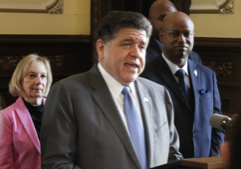
(The Center Square) – Illinois Gov. J.B. Pritzker was joined by state lawmakers and other officials Thursday to sign a four-bill package of legislation aimed at targeting deceptive and fraudulent business practices Thursday.
The new consumer-focused laws have been introduced for multiple years and have been a collaborative effort between Pritzker, Attorney General Kwame Raoul and state lawmakers.
“Every day, families across the state are making difficult choices about how to stretch their paychecks,” the governor said. “This legislative session, the general assembly and I put our shoulders to the wheel to lower costs for working families.”
Prohibition on Bots Purchasing Tickets Act
At independent Chicago venue Concord Music Hall, founder of the venue and music festival Riot Fest, “Riot” Mike Petryshyn celebrated a number of bills signed by the governor that he said will support event attendees when buying tickets.
“People just want a fair shot at tickets and know exactly what they’re getting. That’s why we’re happy to support these efforts. Requiring ticket prices to be up front gives fans more transparency and it helps build trust. Going after bots means more real fans have a chance to buy tickets instead of competing with automated software,” Petryshyn said.
The pair of laws will make it illegal to use automated bots to purchase tickets to events and for ticket sellers and resellers to sell non-existent tickets.
Junk Fee Ban Act
State Rep. Bob Morgan, D-Chicago, said his law is intended to bring more transparency to consumers in Illinois by prohibiting retailers and service providers from adding “junk fees” to a total price.
“Every day, Illinois residents encounter hidden junk fees when booking a hotel room, or renting a vacation property, purchasing tickets online, ordering food delivery, and so much more. These charges often appear only after you’ve received the check,” Morgan said. “Hidden fees are costing the average family about $3,000 a year.”
Supporters in Springfield said the proposal would put money back in the pockets of Illinois residents when it initially passed. Some critics argued the fees will just be factored in the up-front price, effectively not having an impact on the prices paid by residents.
Buy-Now-Pay-Later Loan Regulation Act
State Rep. Bob Rita, D-Blue Island, spoke about his bill, which gives the state more authority to regulate “buy now, pay later” services that provide single-purchase loans, offered by financial tech companies like Klarna and Paypal.
“These products often turn easy payments into long-term financial strain. As I’ve said before, these buy now, pay later loans get you a lifetime of desperation. Whether you’re at the grocery store, trying to buy groceries or running a tight budget, it often becomes a loan shark with a new paint job,” Rita said.
According to data from Lending Tree, 47% of all Americans have used a buy now, pay later service at least once, and nearly half of all consumers that have debt from the services are late on their payments.



Partly Sunny
Latest News Stories
California asks court to end federalization of National Guard

ICE, Florida officers arrest 230, including 150 sex offenders

With shutdown over, fight over Obamacare reform is on
Feds launch initiative to conduct welfare checks on unaccompanied minors
Judge: Biden-era decree deal requires release of 600+ from ICE detention

Poll: Majority believe free speech in U.S. headed in wrong direction
Illinois quick hits: Chicago treasurer to boycott U.S. securities to protest against Trump; Governor marks opening of new union training center; Illinois farms expected to lose $67.2 million a year
Will County Committee Denies Appeal for Crete Township ‘Tiny Home’ Permit
Beecher Board Approves New Regulations for Electric Scooters, E-Bikes
Trump signs executive order to improve foster care

Hegseth announces Operation Southern Spear, targeting narco-terrorists
Justice Department accuses California of racial gerrymandering in redistricting plan
Illinois quick hits: WARN Act reporting shows 1,600 job losses in October
Pritzker, alders oppose Chicago tax plans, property tax hike could be next