WATCH: Report says more U.S. families are saving for college
As taxpayers continue subsidizing higher education and student loan debt at $1.8 trillion, more American families are planning and saving for college, according to a new Sallie Mae report.
The report, “How America Plans for College 2026,” found 95% of high school students plan to pursue some form of education after graduation. Of those students, 62% plan to attend a two- or four-year college.
Families are also placing greater emphasis on financial preparation. The average amount saved for higher education reached $42,307, an increase of $16,041 since 2020, according to the report.
The cost of college has continued to increase over the decades. Tuition has increased by over 36% since 2010, while inflation-adjusted tuition has increased by 0.92%, according to the Education Data Initiative.
With the nation’s student loan debt portfolio nearing $1.8 trillion, higher education remains a cost to taxpayers. According to the HEA Group, a higher education policy and research organization, American taxpayers contribute more than $100 billion annually to subsidize students’ higher education. Yet only about 38% of Americans hold a college degree or higher.
Despite the cost, the Sallie Mae report notes that 90% of families with high school students said they view higher education as an investment in the student’s future. Eighty-three percent said they are willing to stretch financially to provide the best opportunities for the student’s future.
Among families planning to attend college, 88% said they believe higher education will pay off.
Ed Recker, a spokesperson and analyst for Sallie Mae, which is a major U.S. bank, told The Center Square that students have more opportunities to begin preparing for higher education while still in high school.
There is a lot more intentionality on a state level when there is dual enrollment or early college; students and families are getting more opportunities, which breeds that curiosity in preparing for higher education, Recker said.
DJ Summers, Common Sense Institute’s director of communications and research operations, said education continues to provide economic benefits.
“I think most people recognize that if you have a college education, your chances for future economic success are higher,” Summers told The Center Square. “Despite all the doom and gloom, it is still very enduring and very defensible that your lifetime earnings have a significant increase if you’ve got a good education.”
Summers also said students benefit from developing foundational academic skills before entering higher education.
“At the end of the day, the preparedness with which you enter higher education is usually founded on the same old set of principles, which is that good math comprehension, science comprehension, reading and writing skills,” he said. “Those are very durable.”
Now, conversations about the financial return on higher education remain limited. The report notes that only 28% of families said they have discussed potential earnings compared with education costs, while 21% have discussed the average amount of student debt in the student’s field of interest.
Andrew Gillen, a research fellow at the Cato Institute’s Center for Educational Freedom, said he extends sympathy on this matter because families can face the challenge of actually evaluating the true cost before the student applies.
“Higher education is one of these weird products or services where you actually don’t know the price until you apply,” Gillen told The Center Square. “Even if a family wanted to sit down and compare costs with expected earnings, the system almost doesn’t allow it.”
Gillen also noted that most student debt is accumulated through graduate programs.
In a separate Sallie Mae report examining graduate education, one in three graduate students said they applied to schools they could not afford without financial aid, but 67% of graduate students in the survey stated that they were completely satisfied with their school choice.
The report also found growing interest in education pathways outside a traditional bachelor’s degree.
Among families considering trade schools, certificate programs or apprenticeships, 40% cited strong demand for skilled trades or technical roles as a primary reason, while 39% said they preferred hands-on, practical learning.
Aligning with a broader federal push to expand the trades in 2025, the Trump administration signed the Preparing Americans for High-Paying Skilled Trade Jobs of the Future executive order, which aims to create more apprenticeships to address workforce shortages.
“There is a very intentional effort to help open those doors for students in things other than a bachelor’s degree,” Recker told The Center Square.




Chance Rain Showers
Latest News Stories

WATCH: Illinois In Focus Daily | Thursday Aug. 21st, 2025
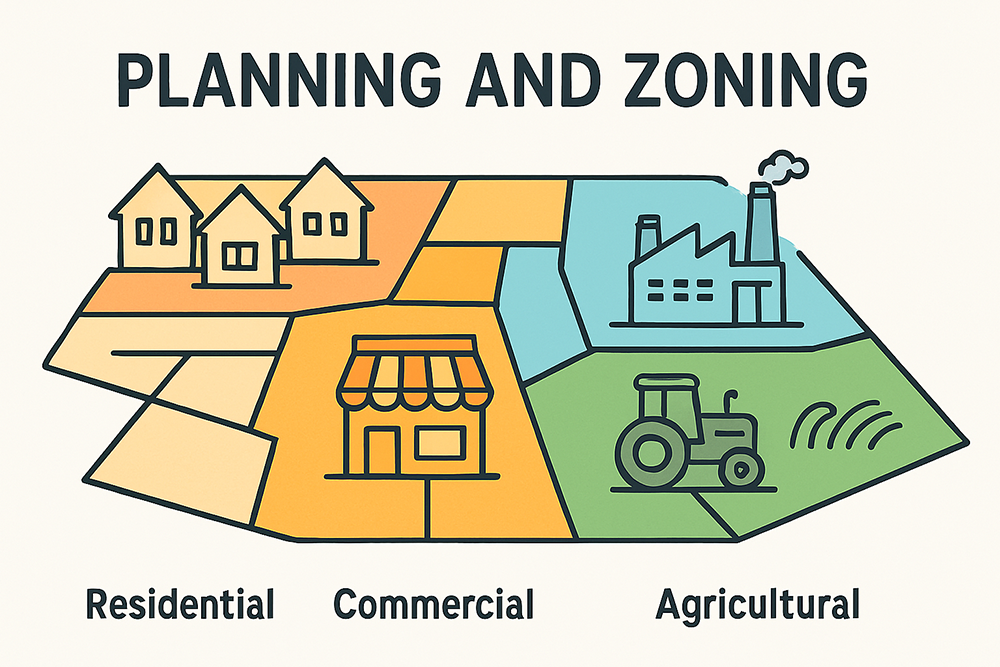
Will County P&Z: Washington Township Lot Variance Granted
Will County P&Z Approves Crete Solar Farm, Overruling Township’s General Opposition
Will County Board Approves Controversial Recovery Retreat in Crete Township Amid Strong Resident Opposition

Will County P&Z: Green Garden Township Variances Granted in Monee
Will County P&Z: Manhattan Township Rezoning Approved
Will County P&Z: Green Garden Township Rezoning Approved Amid Concerns Over Lack of a Final Plan

Zoning Commission Overrules Staff, Approves Greeen Garden Twp Variance for 3-Acre Agricultural Lot
Texas House passes Congressional redistricting bill after absconding Dems return
Department of Education ends support for political activism

Illinois trucker warns foreign firms faking logs, dodging rules, risking safety
Illinois law mandates pharmacies to sell needles, sparking safety debate