
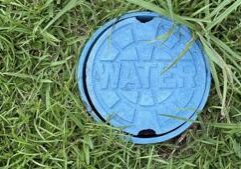
Illinois lawmaker promotes welfare water aid bill as critics raise concerns over federal expansion
(The Center Square) – A proposal to permanently restore a federal water assistance program is drawing criticism from policy analysts who say it would further expand an already costly federal welfare system, even as supporters argue it is needed to prevent water shutoffs for low-income households.
U.S. Rep. Eric Sorensen, D-Moline,posted a statement on X highlighting the Low-Income Water Assistance Program Establishment Act, which would permanently re-establish the Low-Income Household Water Assistance Program.
He says the program previously helped more than 1.5 million households nationwide and about 84,000 in Illinois before expiring in 2022. The program would provide federal funding through states to help eligible households pay water and wastewater bills and avoid shutoffs.
“The number one issue worrying my neighbors in Central and Northwestern Illinois is affordability,” Sorensen said in a news release. “My bipartisan legislation will help make it a permanent lifeline for those who need a helping hand.”
The bill is co-sponsored by several lawmakers, including Rep. Rob Bresnahan, R-Pa., who said rising utility costs are forcing more than one-third of Americans to struggle with water bills.
“Access to clean, safe water is not a luxury, it is a basic necessity,” Bresnahan said.
But Rachel Sheffield, a research fellow in welfare and family policy at The Heritage Foundation, questioned whether a new federal program is the right approach.
“The federal government already funds 90 different means-tested assistance programs at a cost of roughly $1.7 trillion annually,” Sheffield told The Center Square in a recent interview. “Any new program should be considered in the broader context of what we’re already spending.”
Sheffield said lawmakers should focus on improving existing programs and encouraging upward mobility rather than expanding federal benefits.
“We should be focusing on how to better use the resources we already have and making sure programs promote upward mobility rather than simply acting as a one-way transfer of benefits,” she said.
She also argued that responsibility for utility assistance should rest more with state and local governments.
“Most welfare spending already comes from the federal government,” Sheffield said. “This is something states could potentially consider, but we don’t need more federal programs for that.”
Sheffield further raised concerns about long-term dependency if assistance programs are expanded without requirements tied to work or training.
“Programs should, for able-bodied adults, be tied to work or job training,” she said. “Otherwise, they can become long-term solutions instead of temporary assistance.”
Supporters of LIHWAP say the program is designed to function as a safety net for essential services, similar to federal energy assistance programs, and is especially important as utilities face rising costs and rate increases in multiple states, including Illinois.
The legislation would direct federal funding through states to pay water utilities directly on behalf of eligible households, with administrative funds allowed for outreach and eligibility determination.
The bill has drawn backing from major utility and municipal organizations, including the Association of Metropolitan Water Agencies, the National League of Cities and the U.S. Conference of Mayors.






Mostly Sunny
Latest News Stories
“Tiny Homes” Status Creates Regulatory Confusion for County Officials
County Officials Begin Exploring Regulations for Small Modular Nuclear Reactors
Will County Land Use News Briefs
County Moves Forward with Veterans Building Renovations, Questions Arise on Pace Building Plans
County Continues Efforts to Reduce Leased Office Space Footprint
County Reports Significant Cost Savings Through In-House Facility Projects
County Legislative Committee Endorses Electronic Recycling Bill, Reviews Transit Governance
Will County Capital Improvements News Briefs
County Finance Committee Advances Proposal for Elected Official Pay Raises After 20-Year Freeze
Will County Committee Debates Process for Taking Positions on State Legislation
State Lobbyists Update County on Springfield Action as Legislative Deadlines Approach
Will County Legislative Committee News Briefs
Shanahan Development Agreements Near Completion, Will County to See $282,000 Annual Revenue Boost
County Explores Bond Refinancing Options to Generate Potential Savings