Federal workforce shrank by 256,000 in 2025. Deficit barely moved.
The federal civilian workforce shrank by nearly 256,000 employees, 11.3%, across every major agency in 2025, a government watchdog report confirmed, providing the first comprehensive accounting of the Trump administration’s workforce cuts.
The Government Accountability Office reports found the workforce across 22 of 24 major federal agencies fell from 2.27 million to 2.01 million employees between December 2024 and January 2026. The net reduction of 256,000 employees was the result of nearly 378,000 separations offset by about 127,000 new hires.
Chris Edwards, a federal tax and budget expert at the Cato Institute, estimated the reductions saved taxpayers about $41 billion annually – just over 2% of the federal deficit.
“New hires do not inherently mitigate or offset the effects of separating employees on the agency’s ability to meet its mission or current and future financial obligations,” a GAO spokesperson said.
The 378,000 gross separations exceeded OPM Director Scott Kupor’s August 2025 projection of about 300,000 departures. The federal workforce fell by 256,000, net of new hires.
Of the nearly 378,000 employees who separated from their agencies during the year, 83% retired or resigned voluntarily, including about 129,000 who left under the government’s deferred resignation program. Agencies hired about 127,000 workers during the same period.
The Department of Education saw the steepest decline, losing 45.6% of its workforce and falling from 4,273 to 2,326 employees. The General Services Administration fell 36.8%, Housing and Urban Development 30.5% and Energy 29.4%. Two agencies did not provide data to GAO, but OPM figures show the Small Business Administration fell 37% and USAID dropped 95%.
The Internal Revenue Service, a Treasury Department subagency, lost more than 5,000 employees, ending the period with 74,557 workers.
Desmond Lachman, a senior fellow at the American Enterprise Institute and former deputy director at the International Monetary Fund, said the cuts could hurt revenue collection over time.
“You might want to fire everybody else, but you don’t fire the people who are enforcing the taxes,” he told The Center Square.
The IRS estimates the gross tax gap, the difference between taxes owed and taxes paid on time, at $696 billion for tax year 2022.
Edwards said the fiscal impact was limited.
“They reduced the workforce, but that really hardly affected the deficit,” he told The Center Square.
Edwards said the cuts were most meaningful in agencies he views as duplicative of state government functions.
“A lot of the cuts were in activities that were simply duplicative of what state governments were doing anyway,” he said.
He noted Education fell 45.6% and HUD 30.5%, both areas where state and local governments already operate their own programs.
Edwards said the workforce reductions likely left significant empty federal office space, a longstanding taxpayer cost. “Department of Education has gone from 4,300 workers to 2,300. They need half the office space they used to have in DC,” he said.
The Department of Veterans Affairs ended the period with 445,256 employees, well above the roughly 400,000 target the agency set in partnership with DOGE in March 2025. The VA abandoned plans for a large-scale reduction in force by July 2025 after attrition and voluntary departures reduced headcount by nearly 30,000 without forced cuts.
Lachman said the cuts are unlikely to change the country’s fiscal trajectory.
“I don’t think that that’s going to make much of a dent in the budget deficit,” he said.
The Congressional Budget Office projects the deficit will grow from 5.8% of GDP in 2026 to 6.7% by 2036. Interest payments on the national debt topped $970 billion in fiscal year 2025, more than the government spent on national defense, according to a separate GAO report on the nation’s fiscal health.
OPM, the White House and the majority staff of the Senate Homeland Security and Governmental Affairs Committee did not respond to requests for comment by deadline. Sen. Rand Paul leads the committee.
The GAO report, GAO-26-108583, was requested by Sen. Gary Peters, D-Mich., ranking member of the Senate Homeland Security and Governmental Affairs Committee, and dozens of other Democratic lawmakers. It was released June 17.





Mostly Sunny
Latest News Stories

Meeting Summary: Peotone School District 207-U for July 21, 2025

Beecher Officially Adopts 1% Grocery Tax to Avert $202,000 Budget Hit

Hunter’s Chase Residents Confront Beecher Board Over Lennar Construction Issues

Beecher Denies RV Parking Permit Over Precedent Concerns, Approves Fence Variance
Meeting Summary and Briefs: Village of Beecher Board of Trustees for July 28, 2025

Peotone Schools to Launch “Go Big Blue” Unity Initiative
Peotone FFA Alumni Propose Privately Funded Greenhouse to Expand Program
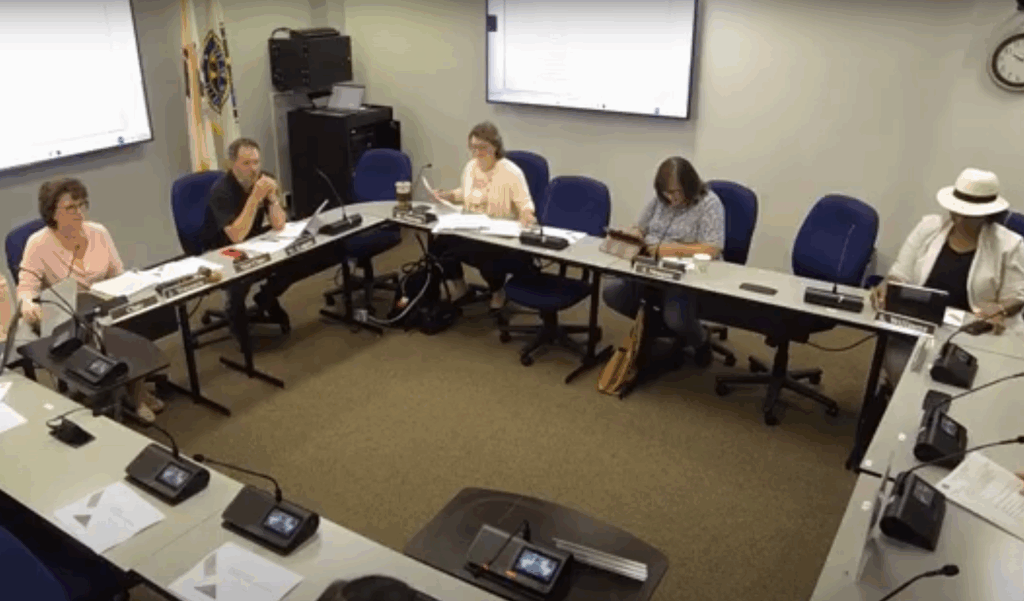
Will County Committee Forwards Overhauled Purchasing Code Amid Debate on Local Contractor Preference
Finance Officials Clarify How Will County Tracks Assets, From Vehicles to Desks
Will County Treasurer Confirms Free Online Tax Payment Option, Warns Against High Credit Card Fees
Committee Highlights ‘Lack of Teeth’ in County Code Enforcement Process

Meeting Briefs: Will County Ad-Hoc Ordinance Review Committee for July 22, 2025