Report: Taxpayer dollars help nonprofit hospitals pad executive salaries, pay for lawsuits
Waste and abuse take place in prominent nonprofit hospital systems across the country, a new report from conservative watchdog advocacy group Save Our States says in a report published Monday.
A hospital system qualifies as a nonprofit if it provides certain community benefits and charity care. Nonprofit hospital systems are exempt from federal income taxes and often from some state and local taxes, too, and many also receive taxpayer-funded government grants in the hundreds of millions of dollars annually. These hospital systems can sometimes provide minimal benefits meeting nonprofit status criteria while providing lavish salaries to hospital leadership and simultaneously executing mass layoffs, Save Our States alleges.
Save Our States uncovered some of this in its Nonprofit Hospital Accountability Report, where it looked at 14 major U.S. hospital systems.
The group found that New York Presbyterian, for example, in the midst of a $750 million sexual abuse settlement involving hundreds of sexual abuse claims by female patients, more than doubled its CEO’s salary from $8.9 million to $23 million.
The same day the settlement was finalized, a legal battle that lasted 13 years, the hospital announced it would be laying off approximately 1,000 employees due to “anticipated financial challenges.”
The hospital was also listed as the hospital with the largest “fair share deficit” in the country for the fiscal year ending in 2021 by the Lown Institute Hospitals Index, the first ranking to measure “meaningful community investment for nonprofit hospitals nationwide.” NYP’s fair share deficit for that year was -$274 million, meaning the amount by which the estimated value of its tax exemptions exceeded its spending on community investments. The index estimated its community investment was just over 2% of its budget that year.
More recently, the system reported less than 1% of its revenue going toward charity care, according to Save Our States.
New York Presbyterian did not immediately respond to The Center Square’s request for comment.
Henry Ford Health, a Michigan nonprofit hospital system, paid its CEO more than $7 million in 2024, a large increase over the $4.4 million he received the previous year. The system also paid out $15 million in bonuses to its top executives right before the COVID-19 pandemic hit in March 2020, as reported by the Detroit Free Press, and before it laid off thousands of workers “and relied on a taxpayer-funded federal bailout to remain solvent,” according to Save Our States.
Henry Ford Health said it was not familiar with the report. The Center Square will give both Henry Ford Health and New York Presbyterian an opportunity to respond.
“Taxpayers and policymakers need to know where the money goes, especially when dollars meant for healthcare wind up paying for overseas investments, elite club memberships, art collections, or sexual harassment lawsuit settlements,” Save Our States wrote in the report. “This report provides actionable information for lawmakers engaged in oversight, but it is relevant to any American who cares about fiscal responsibility, public accountability, and our health.”
The report includes similar data on 12 other hospital systems.


Showers And Thunderstorms Likely
Latest News Stories

WATCH: Trump says U.S. will run Venezuela for foreseeable future
World leaders call for UN response after Maduro capture
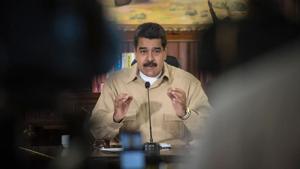
Democrats slam Venezuelan strikes, Maduro capture
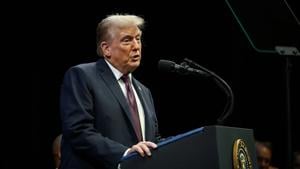
Trump sheds more light on Venezuela strike, Maduro capture
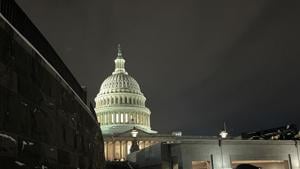
Congressional Republicans support Venezuela strikes, Maduro capture
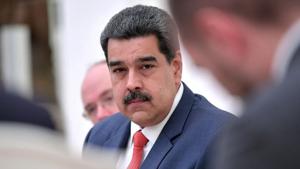
With Maduro, wife in custody, Bondi says they will be tried on U.S. soil

Library Secures Snow Removal Contract for Winter Season
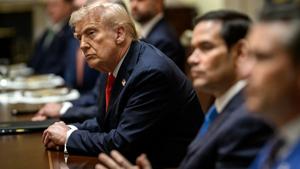
‘Large scale strike’ carried out against Venezuela; Maduro captured
Congress faces govt. shutdown date, health care bills, Epstein on return
U.S. Senate races will decide balance of Congress in 2026

9th Circuit rules against ban on open carry of firearms in most California counties

Trump: ‘Illinois is worse’ as HHS enforces verification for child care funding