
U.S. adds 57K jobs in ‘disappointing’ June report
The U.S. economy added 57,000 jobs in June, reflecting a steady job market, according to a new report from the U.S. Bureau of Labor Statistics released on Thursday.
The U.S. unemployment rate dropped to 4.2% in June, according to the BLS. Overall, the increase in jobs remained steady over the last 12 months, with an average of 36,000 jobs per month.
Chris Zaccarelli, Chief Investment Officer for Northlight Asset Management called the June report a “stark reversal” from recent jobs assessments.
“There were a lot less jobs created than expected, and prior months’ numbers were revised lower,” Zaccarelli said.
The report revised its increase in jobs from April and May. In April, the economy BLS revised jobs growthadded 148,000 and in May it added 129,000, lower than previously reported.
Business and professional services jobs and healthcare jobs continued to trend upward in June. Business and professional services added 36,000 jobs in June, as part of a 172,000 jobs increase since its most recent low in October 2025.
Health care jobs increased by 22,000 in June, for a sector that is traditionally reliable. The June increase was still lower than the 38,000 job average for the healthcare sector over the past year.
Heather Long, a chief economist at Navy Federal, said June’s numbers were “disappointing” and below expectations of a 115,000 job increase. While she noted the unemployment rate decreased slightly, she said it was primarily due to a drop in job hunting.
Jobs in the hospitality sector, a primary driver of May’s strong report, decreased by 61,000 in June. The BLS said the numbers in June reflect “weaker than usual seasonal hiring.”
The report showed wage gains increased by 3.5%, a figure that has not kept up with rising inflation since the U.S. conflict in Iran.
“The bad news = wages aren’t keeping up with inflation,” Long said.
Zaccarelli said the jobs report could provide motivation for members of the Federal Reserve to consider raising interest rates to fight inflation.
“Lately the narrative has been around inflation – which remains too high – but if the employment mandate is brought back into play, it can increase the odds of leaving rates on hold, which all things being equal would be much better for the market,” Zaccarelli said.




Showers And Thunderstorms
Latest News Stories
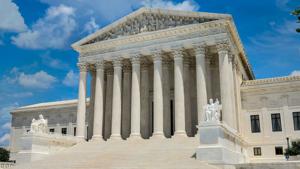
Supreme Court rules for Texas in Rio Grande River lawsuit
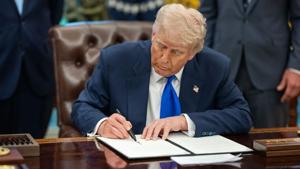
Trump appoints housing regulator as acting spy chief

Mullin defends $118B Homeland Security budget request

Bill loosens in-state tuition requirements

Illinois Quick Hits: Nine arrested during Naperville teen gathering
Rubio provides few answers to Congress on Iran conflict timeline

Pritzker housing proposal partly stalls amid overreach concerns from localities
HUD shifts $4B homelessness program from ‘Housing First’ to treatment

Poll: Democrats hold slight edge over Rogers in Michigan U.S. Senate race

Swipe fee battle continues after delay, court ruling

Walz appoints members to Operation Metro Surge ‘Truth Council’
$45M included in budget for previously unfunded property tax relief