OMB says fraud losses ‘in the hundreds of billions’ annually
The Biden administration called the government’s only estimate of annual fraud losses “not plausible.” Now, the Trump administration says fraud costs taxpayers hundreds of billions annually.
The U.S. Government Accountability Office estimated in April 2024 that the federal government loses between $233 billion and $521 billion annually to fraud. It was the first and only government-wide estimate of its kind, representing 3% to 7% of average federal obligations.
The estimated losses work out to between $1,431 and $3,200 for each of the nation’s estimated 162.8 million individual income tax filers, according to IRS data.
The wide range reflects different risks over the five-year period the estimate covers. GAO used a Monte Carlo simulation to account for uncertainty in fraud data, including fraud that goes undetected, noting that higher-risk environments such as pandemic-era spending are associated with estimates at the upper end of the range.
The Biden administration rejected the estimate. Jason Miller, then the deputy director for management at the Office of Management and Budget, said in April 2024 that the estimate was “not plausible” and would “create confusion and promote misleading generalizations that have no factual connection to specific federal programs.”
The Trump administration has taken a different view. An OMB spokesman told The Center Square that while “it’s hard to know the exact figure, annual losses to fraud have been enormous, certainly numbering in the hundreds of billions.”
But none of GAO’s three recommendations has been fully implemented. As of March 2026, OMB had no update on two recommendations aimed at improving fraud-related data collection. A third recommendation, directed at the Treasury Department, also remains open.
Rebecca Shea, director of GAO’s forensic audits and investigative service, told The Center Square that the agency has no plans to update the spending-side estimate, in part because GAO recommended Treasury develop an approach for doing so going forward.
She also said the Department of Government Efficiency’s claimed savings of $215 billion, tracked on the agency’s public savings log known as the wall of receipts, and GAO’s fraud estimate are not measuring the same thing.
“From what is available on the wall of receipts, their savings estimates are based on a wider range of activities than fraud,” Shea said. “For example, DOGE’s website also notes savings from asset sales, contract and lease cancellations and renegotiations, grant cancellations, interest savings, programmatic changes, regulatory savings and workforce reduction.”
David Walker, former U.S. comptroller general and chairman of the Federal Fiscal Sustainability Foundation, a nonprofit focused on limiting federal spending and debt, echoed that assessment.
“DOGE tried to do work to deal with that, but they didn’t do what needs to be done,” Walker told The Center Square. “They didn’t do it the right way, and they grossly overstated how much money they quote unquote saved.”
Walker said that contract and grant cancellations do not automatically translate to savings.
“Just because you cancel a contract or a grant doesn’t mean you’ve saved the money, because only Congress can cut spending,” he said.
Daniel Kowalski, a former Trump administration OMB official and director of the Heritage Foundation’s Grover M. Hermann Center for the Federal Budget, was more blunt.
“DOGE was not focused on fraud as much as it was focused on efficiency,” he told The Center Square. “It was the Department of Government Efficiency and not the Department of Fraud Elimination. I don’t think there’s a way to map DOGE onto the GAO fraud report.”
Kowalski said the GAO estimate is credible.
“It’s the best number available,” he said. “I would not be surprised if the fraud number was closer to the high end of the GAO estimate – 7% of program costs or $500 billion-plus a year.”
Walker said two root causes drive the problem.
“We have inadequate internal controls before the money goes out, because once the money goes out, you’re probably not going to get it back,” he said.
Walker singled out self-certification as a particular vulnerability.
“Fraudsters have no problem saying that they’re qualified for something, even though they know they’re not,” he said. “You shouldn’t be able to self-certify. That’s ridiculous.”
Kowalski said organized crime has moved aggressively to exploit those weaknesses.
“Fraud against the federal government has become big business,” he said. “We’ve seen true organized crime rings created to defraud the government – there’s the wholesale fabrication of child nutrition and autism therapy in Minnesota, nonexistent hospice services in California, and the multistate durable medical equipment fraud carried out by a Russian-based transnational criminal organization in Operation Gold Rush – the largest health care fraud case by dollar amount ever charged by the Justice Department.”
Operation Gold Rush, announced by the Justice Department in June 2025, resulted in charges against 19 defendants connected to a Russian-based transnational criminal organization that allegedly submitted $10.6 billion in fraudulent Medicare claims for durable medical equipment.
GAO’s Shea said a revenue-side fraud estimate is expected this fall.
The White House did not respond to a request for comment by deadline. Treasury responded but did not address GAO’s recommendation that the department develop a government-wide fraud estimation methodology.
Walker said that even aggressive fraud reduction cannot solve the government’s broader fiscal problems.
“When you’re running $2 trillion a year deficits, attacking fraud, waste, abuse, and mismanagement can help, but they can’t solve our problem,” he said. “We need comprehensive fiscal reforms involving discretionary spending, mandatory spending, and taxes – and we need to do it sooner rather than later.”






Slight Chance Rain Showers then Slight Chance Showers And Thunderstorms
Latest News Stories

Facing Budget Crisis, Peotone Committee Questions Athletic Field Project
Committee Summary and Briefs: Peotone Board of Education Committee of the Whole

Soaring utility bills, solar federal tax credit cuts dominate Illinois energy debate

Illinois quick hits: Pritzker signs crypto regulations

Trucking industry leader: New law may drive business out of Illinois
Executive Committee Considers $12,000 Strategic Planning Initiative with University of St. Francis
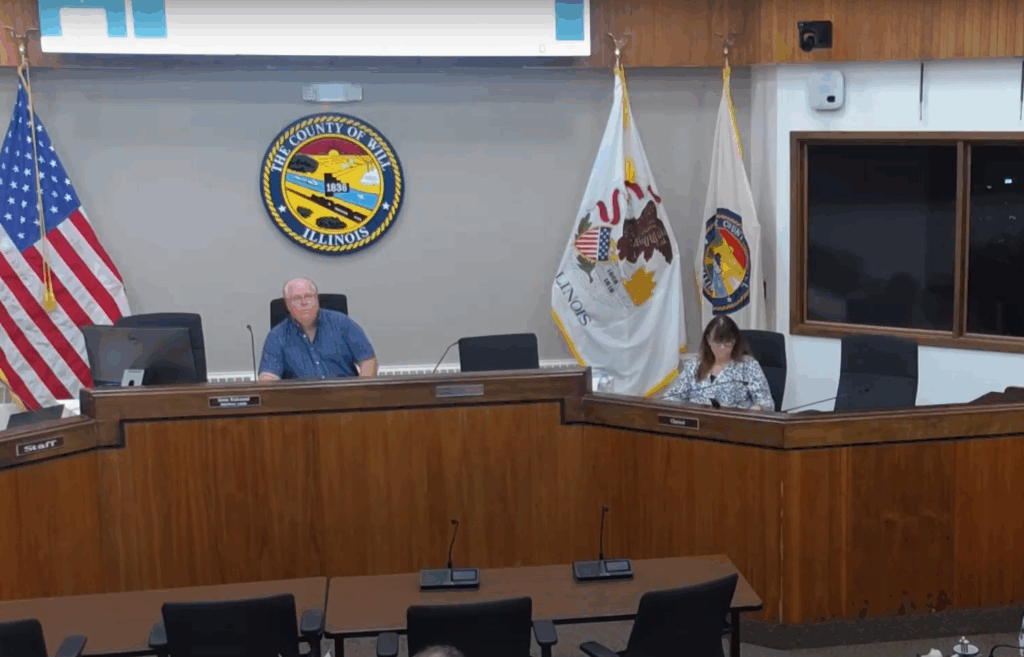
Executive Committee Members Decry Roadside Litter, Call for Action Against Garbage Haulers
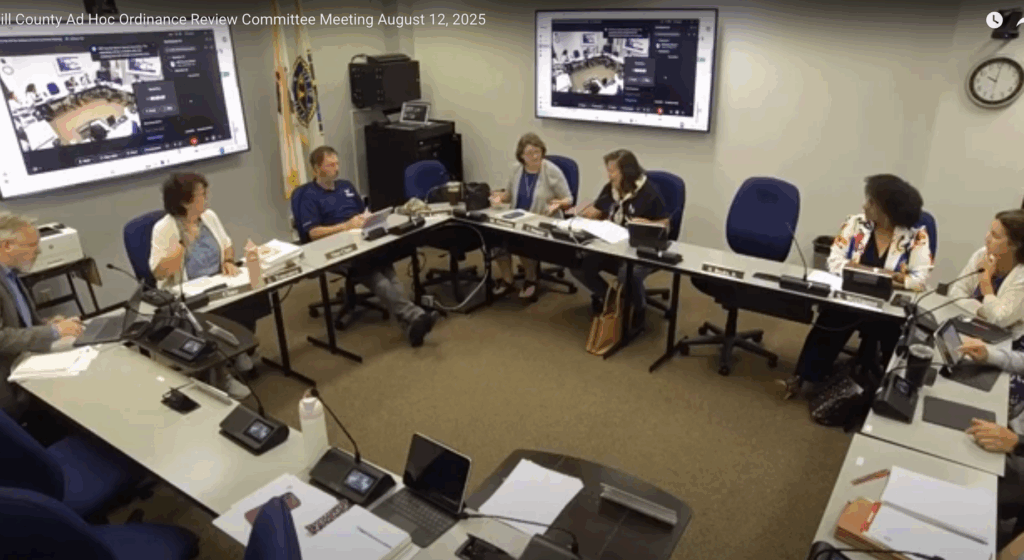
Will County Updates Solid Waste Ordinance, Increases Fines and Reporting to Landfill Committee
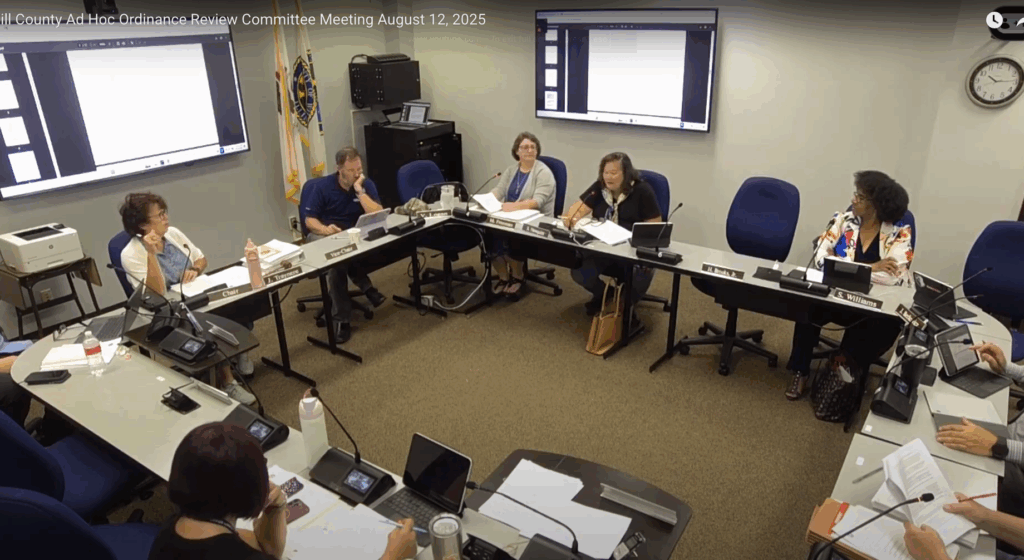
Citing Liability Concerns, Will County Committee Postpones Vote on Septic System Ordinance
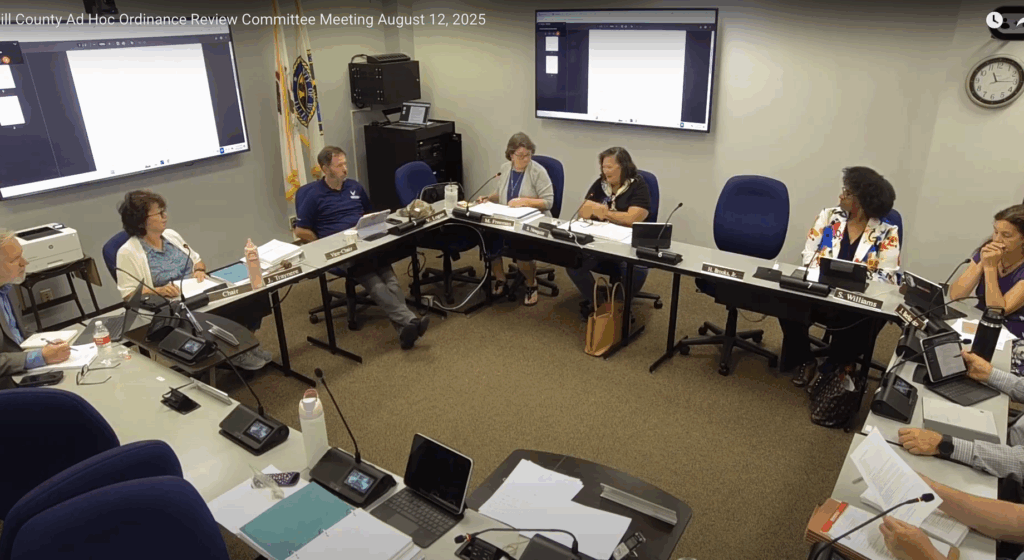
Will County Moves to Repeal Obsolete 1972 Fire Hydrant Ordinance
Will County Board Gets Back to Basics with Robert’s Rules of Order Training
Executive Committee Approves Amended Houbolt Bridge Agreement to Settle Litigation