U.S. Energy Department finalizes $3.3B loan to Texas utility
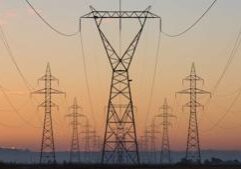
The U.S. Department of Energy Wednesday announced it has finalized a $3.26 billion loan to utility AEP Texas, a subsidiary of American Electric Power, or AEP, to fund the deployment of 2,800 miles of high-capacity transmission lines across the Lone Star State as part of a broader effort to fuel domestic industrial growth and assure national energy security.
The loan, awarded by the Office of Energy Dominance Financing, will finance the addition of the transmission lines in key industrial corridors in south central and west Texas, where data centers, advanced manufacturing industries, and the electrification of oil and gas operations are driving rapid increases in power demand.
“President Trump’s Working Families Tax Cuts Act is driving investments that strengthen America’s energy infrastructure while lowering costs for hardworking families,” said U.S. Energy Secretary Chris Wright in a release. “This investment will modernize Texas’ electric grid, support the energy needed for AI, advanced manufacturing, the Permian Basin, and help keep electricity costs down for Texans.”
According to the Energy Department, the nearly 100 projects funded by the loan will lower electricity costs for AEP Texas ratepayers by an estimated $685 million over the next 30 years. The utility’s 100,000-square-mile service area anchors many of the Lone Star State’s most critical industrial hubs—stretching from the oil fields of West Texas to the Rio Grande Valley and the rapidly growing ports of Corpus Christi and Brownsville.
AEP Texas has signed agreements to service 41 gigawatts of new industrial load by 2030—a backlog that represents nearly half of the Lone Star State’s all-time record demand of 85.5 gigawatts. State grid operator the Electric Reliability Council of Texas (ERCOT) recently forecasted that extreme weather and industrial expansion could push the state’s near-term summer peak demand as high as 92.2 gigawatts.
“Texas is poised for incredible growth over the next five years,” said Adrian Rodriguez, president and chief operating officer of AEP Texas. “This loan supports critical updates to our transmission infrastructure to strengthen reliability, connect new load and generation resources and manage affordability,” Rodriguez said.
Created by the Trump administration’s One Big Beautiful Bill Act, the Energy Dominance Financing Program eliminated emissions-reduction mandates established during the Biden presidency and rescinded unspent funding allocated under the Inflation Reduction Act. By law, the lending program must now prioritize grid reliability, heavy industrial upgrades and firm baseload power capacity.
The AEP Texas loan is the Trump Administration’s third utility financing agreement completed through the Energy Dominance Financing Program. In February, $26.5 billion was allocated to the Southern Company to finance 5 gigawatts of new natural gas generation, large-scale hydro facilities, and nuclear asset modernization in Georgia and Alabama.
In late 2025, the Department of Energy finalized a separate $1.6 billion loan guarantee with AEP’s parent company to fund upgrades to approximately 5,000 miles of electricity transmission infrastructure in Ohio, Oklahoma, West Virginia, Indiana and Michigan.






Mostly Cloudy
Latest News Stories

WATCH: Gun owners rally at Illinois Statehouse against more gun regulations

GOP seeks probe of $180B in fraud with taxpayers’ money

Bill advances to prevent local governments from clearing homeless camps

Bonta’s anti-Exxon emails may have run afoul of CA corruption law: Claim

Expulsion votes for two members of Congress could happen next week, Luna says
NAACP sues xAI over air pollution near Memphis data center

Trump says he’s ready to nominate up to three Supreme Court justices

Military hostilities in Iran continue after Senate tanks War Powers Resolution
WATCH: Detransitioner battles to revive landmark malpractice and fraud lawsuit

Iran economic fallout is temporary, Hassett says

Illinois Quick Hits: NFIB says biz deduction will bring jobs, benefit to Illinois

Soaring costs and short supply shut millennials out of housing market