Federal deficit reaches ‘astounding’ levels
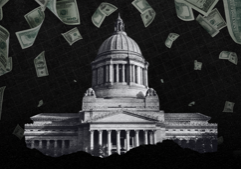
Only nine months into fiscal year 2026, the U.S. government has already borrowed $1.4 trillion, surpassing the entire federal deficit of the previous fiscal year.
The federal government collected $4.2 trillion over the past nine months and spent or lost a total of $5.5 trillion, according to a new Congressional Budget Office report.
During the month of June alone, the nation added $126 billion to the over $39 trillion national debt.
“We will likely borrow $2 trillion or more this fiscal year – an astounding figure given that the economy keeps growing and unemployment is low,” Maya MacGuineas, president of the Committee for a Responsible Federal Budget, stated in response to the report.
“This is likely the tip of the iceberg; borrowing will soar if policymakers fail to get our entitlements under control, enact further unpaid-for tax cuts or spending increases, and otherwise ignore the need to cut spending and increase revenues,” she added.
“Social Security and Medicare are within seven years of trust fund exhaustion, and action needs to be taken to prevent across-the-board cuts to both programs.”
Most of the deficit is attributable to increased spending on entitlement programs like Social Security, Medicare, and Medicaid, paired with a significant decrease in corporate tax revenue due to changes made in Republicans’ “One Big Beautiful Bill.”
The CBO report shows that spending on Social Security benefits rose by $62 billion, or 5%, since last year. Medicare spending increased by $58 billion, or 8%, while Medicaid spending increased $49 billion, or 10%.
Federal revenues from corporate income taxes also dropped by $86 billion, 24%, which CBO says is due to Republicans’ OBBBA expanding corporate deductions.
At the same time, despite the OBBBA’s across-the-board tax cuts, individual income and payroll taxes increased, rising by $169 billion, or 5%, since last year.
Budget watchdogs have warned Congress for years about the unsustainability of the nation’s spending, and reports have shown that tax hikes alone can’t fully offset current spending levels.
The U.S. government added $89,208 per second to the national debt over the past year, according to the most recent estimates by the U.S. Congress Joint Economic Committee.
The nation also recently hit a debt milestone, with the national debt topping 100% of GDP in March. That means the federal debt was larger than the entire economy – the highest in history except for the years immediately following World War II.
Additionally, interest payments on the national debt hit $1 trillion in 2025 and are only set to rise under current government spending. The CBO report shows that net interest spending on the public debt already rose by $98 billion, a 13% increase, since last year.
Yet despite repeated warning signs, congressional action on soaring federal deficits and the over $39 trillion national debt ultimately hasn’t progressed past vigorous handwaving from a small group of Republicans.
Although Republicans’ OBBBA last year reduced federal spending by roughly $1 trillion over the next decade via entitlement program reforms, the savings only offset about a third of the bill’s $3.4 trillion 10-year cost.
Congress then sidestepped the automatic spending cuts to Medicare and other programs that are triggered by unpaid-for federal borrowing by wiping the Pay-As-You-Go (PAYGO) scorecard last November.
Most recently in March, U.S. lawmakers again dodged fiscal accountability when the U.S. House tanked a balanced budget resolution. If passed, the resolution would have capped federal spending each year at the average annual revenue of the previous three years.
“None of this is normal,” MacGuineas noted. “Policymakers should instead be targeting a much more sustainable deficit at 3% of GDP, putting together a bipartisan commission to address our fiscal situation and entitlements, and perhaps most importantly, being honest with the public about the grave dangers we face by remaining on this unsustainable path.”





Mostly Cloudy
Latest News Stories
Board Confronts Animal Services Crowding, Explores Future Facility Options
Will County Board Members Demand Transparency in Cannabis Tax Fund Allocation
Homer Glenn Residents Push Back on 143rd Street Widening as Officials Signal “Tentative Agreement”
Will County Forges 2026 Federal Agenda Amid D.C. Policy Shifts, ‘Big Beautiful Bill’ Impacts
Health Department Seeks $1 Million Levy Increase to Prevent “Weakened System”
County Rolls Out New “OneMeeting” Software to Improve Public Access

Meeting Summary and Briefs: Will County Board Finance Committee for August 5, 2025
Will County PZC Approves Rezoning for Truck Repair Facility on Manhattan Road Amid Resident Concerns
Key Stretch of Bell Road on Track for Thanksgiving Reopening, Committee Approves Additional Funds
Will County Leglislative Committee Opposes Federal Push for Heavier, Longer Trucks
Will County Reports Progress in Opioid Fight, Highlights New FDA Labeling Rules
In-House Staff Completes Major Renovations at Will County Adult Detention Facility
Will County Advances Truck Repair Facility Plan on Manhattan Road Despite Resident Objections
PZC Grants Variance for Oversized Garage in Joliet Township, Reversing Staff Recommendation