
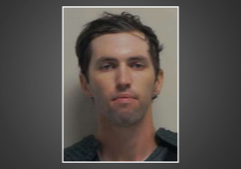
Judge delays ruling on bringing Tyler Robinson to trial
Utah Fourth Judicial District Court Judge Tony Graf has delayed his ruling on whether there’s enough evidence to bring Tyler Robinson to trial on charges of killing Arizona conservative leader Charlie Kirk.
Following a five-day preliminary hearing, Graf on Friday said he would make his decision after having prosecution and defense lawyers present oral arguments on Sept. 1 in the Provo, Utah, courtroom. That’s almost one year since Kirk, 31, was shot and killed before a crowd of up to 3,000 people at Utah Valley University. Kirk had a home in Scottsdale, Ariz., and his organization, Turning Point USA, is headquartered in Phoenix.
Robinson, 23, hasn’t entered his plea to the seven counts against him, six of which are felonies. They include aggravated murder and multiple counts of witness tampering and obstruction of justice. Utah County Attorney Jeff Gray has said he will seek the death penalty if Robinson is convicted of murder.
This week’s hearings were attended by Kirk’s widow, Erika Kirk, and his parents, Robert and Kathryn Kirk.
Witnesses included Robinson’s former roommate Lance Twiggs, who was seen during a video interview at Thursday’s hearing. During the interview, he told the prosecution that Robinson admitted to killing Charlie Kirk during their conversation and regretted the act. Prosecutors also are arguing that cellphone text messages between Robinson and Twiggs show Robinson confessing to the murder.
Jennifer Faumuina, a former agent with the Utah State Bureau of Investigation, testified Thursday that the alleged murder weapon, a rifle with a mounted scope, was found wrapped in a towel in a wooded area near the university campus.
On Friday, Graf denied the defense team’s motion to exclude cameras from the courtroom, but the judge agreed to block media from showing images of courtroom exhibits. Graf later clarified that audio could still be broadcast as exhibits are discussed.
Also on Friday, the defense team called its final witness, forensic biologist Caitlin Oliver, in an effort to show the limitations of DNA evidence. Under questioning by attorney Michael Burt, Oliver, who works at the Bureau of Alcohol, Tobacco, Firearms and Explosives, confirmed the defense team’s contentions.


Sunny
Latest News Stories

Pro-life org to Trump: Taxpayers should not be forced to fund killing of unborn children

Birthright citizenship advocates confident in SCOTUS hearing

College funding bill draws dissent from big Illinois universities

Illinois quick hits: Chicago announces $300 million housing spend; Rockford men faces cocaine trafficking charges; State to honor troopers killed in the ling of duty

Pentagon commits to tripling Patriot missile production at $4 million per

Supreme Court appears skeptical of Trump’s birthright citizenship order

Advocates urge stable tariff policy, protections against China

Illinois senators scrutinize diversity commission’s high salaries, poor performance

Trump demands second ‘big beautiful bill’ on his desk by June 1

ALEC: State regulations drive up electricity prices

Chicago mayor announces homelessness plan with unclear funding sources

Minnesota wins legal fight over tuition benefits for illegal immigrants


