Federal regulators narrow scope of endangered species rule
The Interior and Commerce departments finalized a rule Friday changing enforcement of the Endangered Species Act to allow habitat damage if animals are not directly harmed, reversing a 50-year-old regulatory standard applied in federal environmental reviews of energy, logging and industrial development projects.
The rule rescinds an “outdated regulatory definition of ‘harm’ under the Endangered Species Act,” Trump administration officials said in a release.
In 1975, the U.S. Fish and Wildlife Service established a regulatory definition of “harm” that included “significant habitat modification or degradation where it actually kills or injures wildlife.”
The new regulation separates a species survival from the preservation of its habitat, limiting federal action only to cases directly involving injury or death.
“For years, federal agencies abused the ESA to obstruct lawful land use and burden American families and businesses,” said Interior Secretary Doug Burgum.
“That approach turned routine activity into a regulatory trap, drove up costs that impacted people’s lives, and expanded federal authority beyond what Congress intended. This action restores common sense, respects private property, provides much-needed certainty for landowners and follows the statute Congress actually passed.”
Commerce Secretary Howard Lutnick said the president has rescinded “overly broad and burdensome” regulations that have restrained the nation’s fishermen.
“We’re returning the ESA to its foundational purpose to ensure legitimate conservation goals are met without sacrificing economic growth and American prosperity,” said Lutnick.
Environmental groups contend that most endangered species are on the brink of extinction because their habitats have been paved over, burned or negatively transformed. Habitat protection is essential for their survival, the groups argue.
“For the first time ever, a presidential administration now claims that species protected by the Endangered Species Act shouldn’t be safe from habitat modification that destroys where they live, raise their young, or search for food,” Earthjustice attorney Kristen Boyles said in a statement. “Let’s be clear: there is no support for the Trump administration’s rule – no scientific support, no legal support, no public support. We will see the Trump administration in court.”
In another response to the rule, Gib Brogan, senior campaign director at Oceana, a marine conservation organization, said “habitat loss is the number one cause of extinction.”
“When you remove habitat protections, you remove one of the law’s most important safeguards,” Brogan said in a statement.
The Trump administration maintains the Endangered Species Act’s “core protections remain firmly in place,” noting in the statement that “any actions directly injuring or killing listed wildlife” will continue to be explicitly prohibited.
The Commerce and Interior departments said in the joint statement that the reform is based on the Supreme Court’s 2024 decision in Loper Bright v. Raimondo, which requires agencies to follow the single “best” meaning of a statute based on a reading of the original text passed by Congress. In this decision, the Supreme Court directed that courts – not federal agencies – must decide what ambiguous laws actually mean.
The administration asserts that using the standard established under the Loper Bright decision, the definition of “harm” as determined by U.S. Fish and Wildlife in 1975 was an unlawful regulatory intrusion that overextended agency authority and interfered with private property rights.
Proponents say by aligning enforcement with the original statutory text, the Trump administration is successfully delivering on its policy goals to reduce costly permitting bottlenecks, lower project compliance fees, and eliminate complex regulatory liabilities for local industries.
The new regulation is scheduled to take effect 30 days after its publication in the Federal Register. Environmental organizations are expected to file for emergency federal injunctions before that deadline, most likely in the U.S. District Court for the Northern District of California and the District of Columbia, which have historically been receptive to environmental challenges.



Patchy Fog then Sunny
Latest News Stories

Illinois news in brief: Work begins on $1.5 billion O’Hare expansion; Police catch man accused of road rage, shooting
Executive Committee Details Spending of $134 Million in Pandemic Relief Funds

Facing Budget Crisis, Peotone Committee Questions Athletic Field Project

Committee Summary and Briefs: Peotone Board of Education Committee of the Whole

Soaring utility bills, solar federal tax credit cuts dominate Illinois energy debate

Illinois quick hits: Pritzker signs crypto regulations

Trucking industry leader: New law may drive business out of Illinois
Executive Committee Considers $12,000 Strategic Planning Initiative with University of St. Francis
Executive Committee Members Decry Roadside Litter, Call for Action Against Garbage Haulers
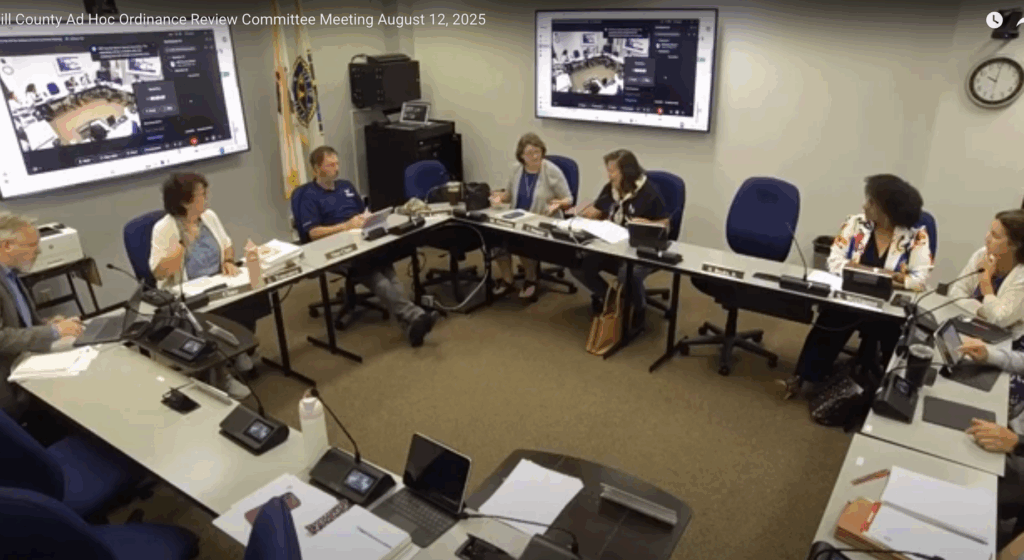
Will County Updates Solid Waste Ordinance, Increases Fines and Reporting to Landfill Committee
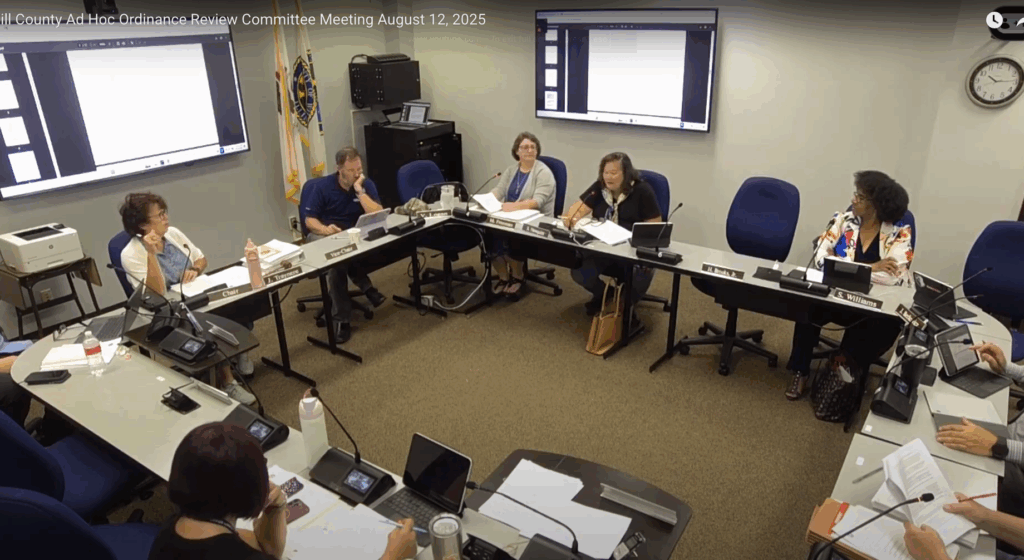
Citing Liability Concerns, Will County Committee Postpones Vote on Septic System Ordinance
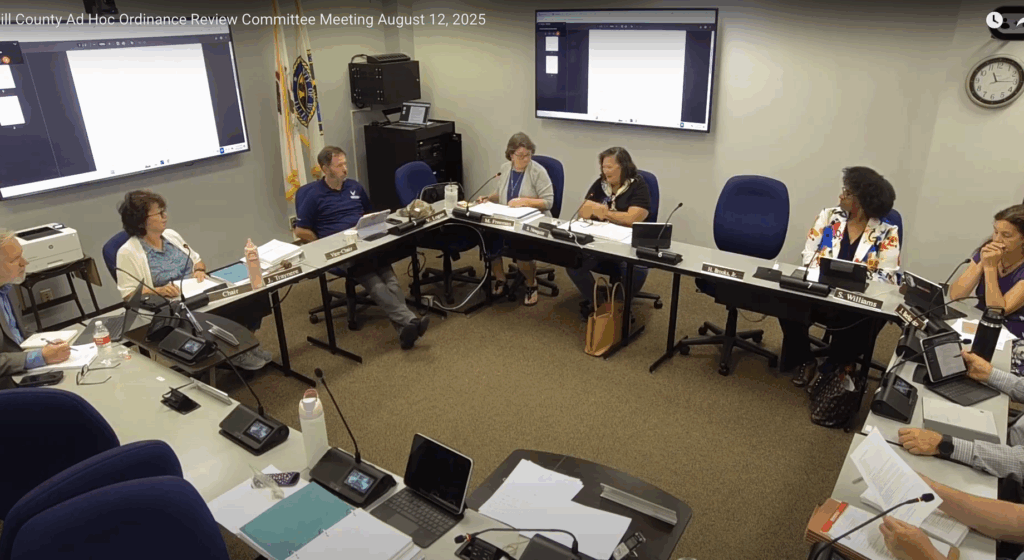
Will County Moves to Repeal Obsolete 1972 Fire Hydrant Ordinance