Report: Block clubs save tax dollars despite government hurdles
(The Center Square) – An Illinois policy analyst says Chicago block clubs have connected thousands of people to jobs, but city and state government requirements sometimes get in the way.
Block clubs do not receive taxpayer funding, although hundreds of the voluntary organizations have registered with the city over the last 15 years.
LyLena Estabine, senior policy analyst at the Illinois Policy Institute, said the groups are concentrated on the South and West sides of Chicago and typically focus on caring for and improving the neighborhood.
Estabine said block clubs are what the future of poverty alleviation looks like.
“No longer are people going to be sitting around and waiting for a government handout for taxpayer dollars. It’s going to look like what we’ve highlighted here, which is hyperlocal, community-led interventions that rely on personal relationships and trust,” Estabine told The Center Square.
Estabine said licensing requirements are an example of a bureaucratic hurdle that government poses for block clubs.
“Black men and women are less likely to be licensed, but that doesn’t mean that they’re less skilled. As a city and state, we have to reconcile the licensing requirements that we have in place,” Estabine said.
Estabine said block club organizers have created job opportunities to clean up vacant lots, but red tape and regulations make it hard for block club leaders to get access to the land.
Noting that Chicago’s poverty rate is 40% for unemployed individuals and 6% for those who are employed, Estabine said one block club organizer estimated that he connected more than 3,000 people to warehouse jobs over eleven years.
Although Mayor Brandon Johnson says the Chicago Youth Works program has provided more than 25,000 people with jobs this summer, Estabine said the city’s financial decisions have left the city without money to provide people with more opportunities.
“These community programs are doing something that the government, even if they put all of their resources into this, is not going to be able to do, because these arrangements rely on trust. The government can’t replicate that,” Estabine said.
Estabine said block clubs could be duplicated in cities across Illinois.
“Really, what a block club is when men and women come together and decide that they are going to take the future of their communities into their own hands,” Estabine said.





Patchy Fog then Sunny
Latest News Stories
Will County Board Members Demand Transparency in Cannabis Tax Fund Allocation
Homer Glenn Residents Push Back on 143rd Street Widening as Officials Signal “Tentative Agreement”
Will County Forges 2026 Federal Agenda Amid D.C. Policy Shifts, ‘Big Beautiful Bill’ Impacts
Health Department Seeks $1 Million Levy Increase to Prevent “Weakened System”
County Rolls Out New “OneMeeting” Software to Improve Public Access

Meeting Summary and Briefs: Will County Board Finance Committee for August 5, 2025
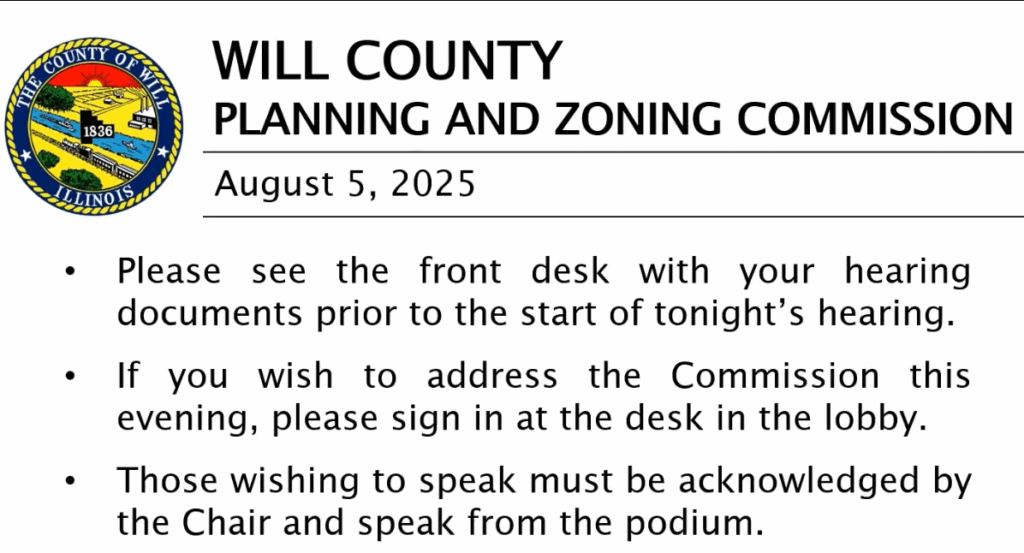
Will County PZC Approves Rezoning for Truck Repair Facility on Manhattan Road Amid Resident Concerns
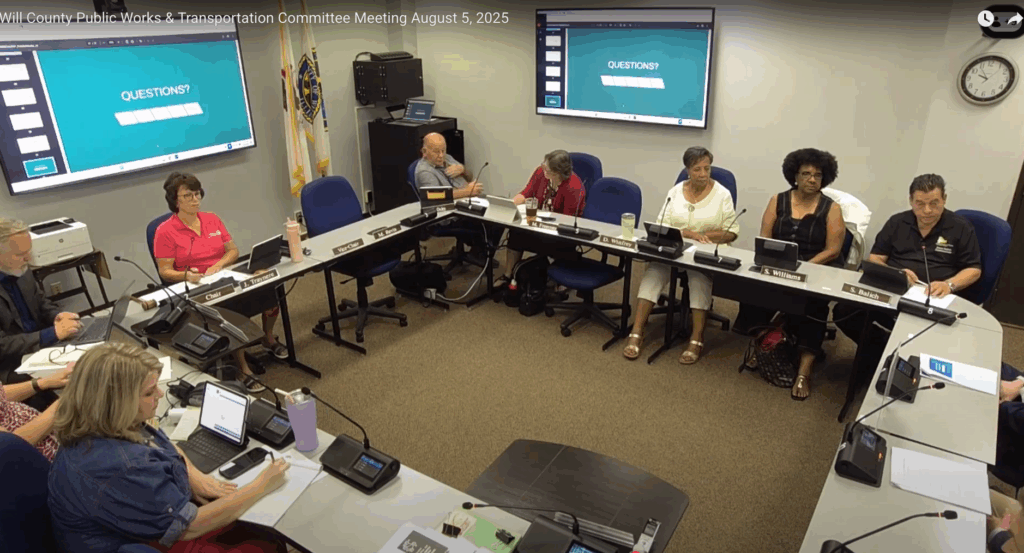
Key Stretch of Bell Road on Track for Thanksgiving Reopening, Committee Approves Additional Funds
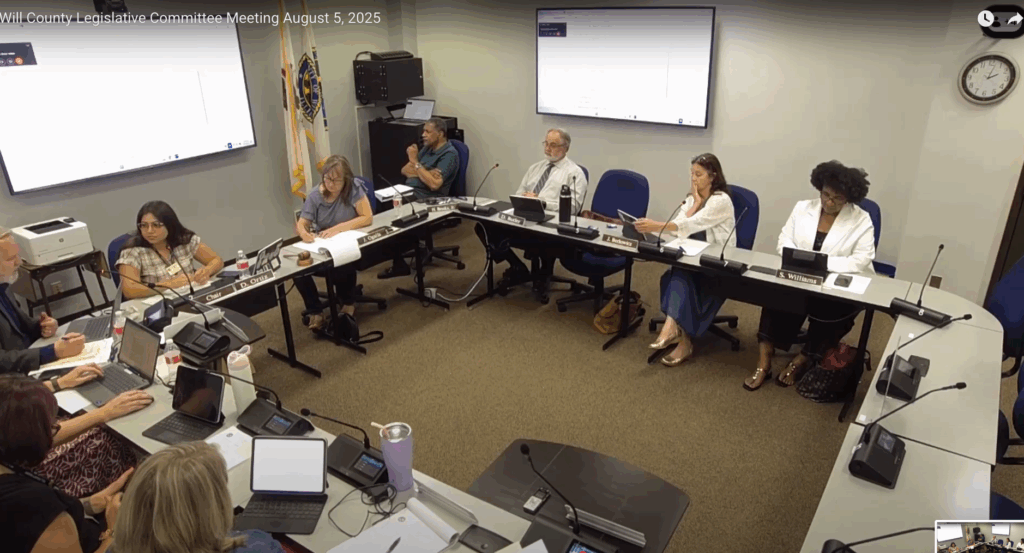
Will County Leglislative Committee Opposes Federal Push for Heavier, Longer Trucks
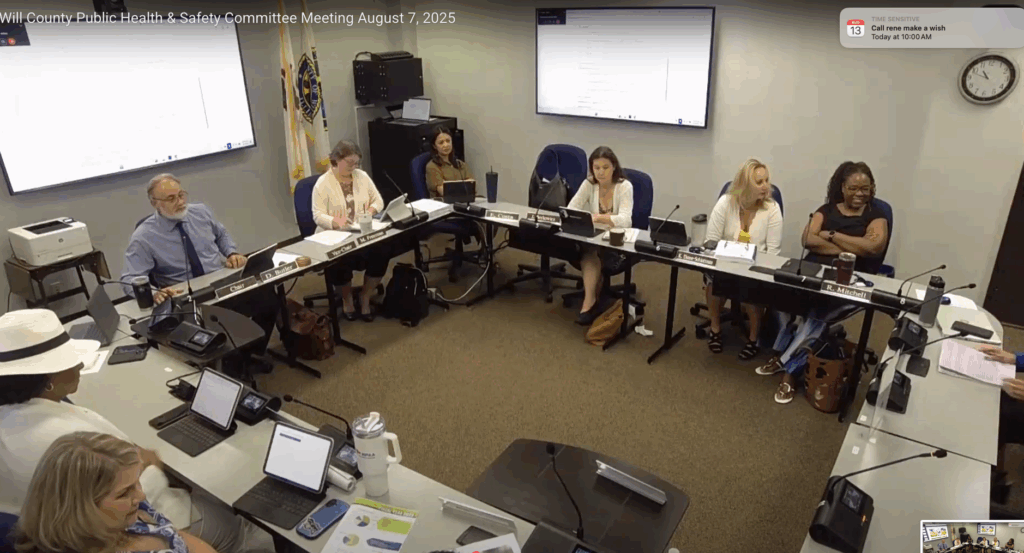
Will County Reports Progress in Opioid Fight, Highlights New FDA Labeling Rules
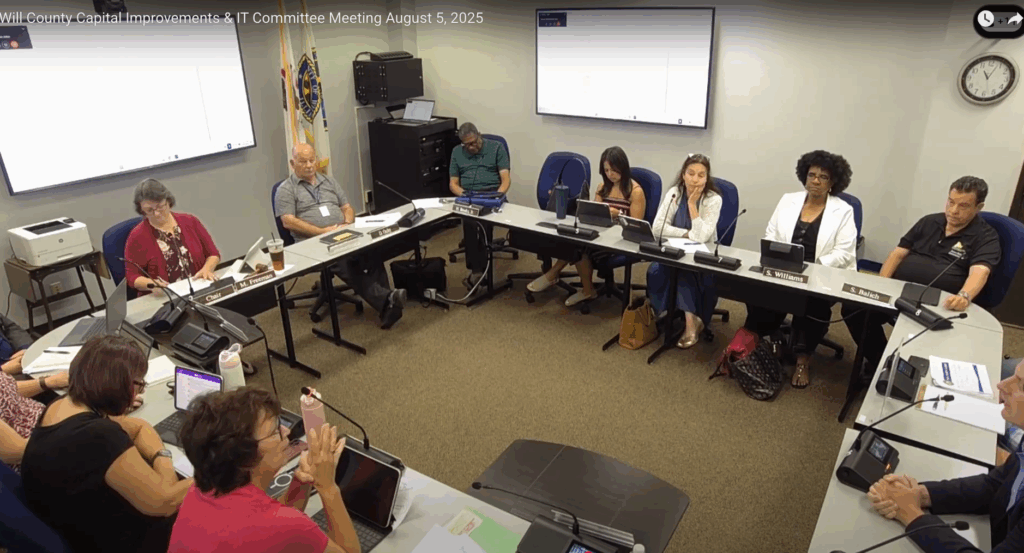
In-House Staff Completes Major Renovations at Will County Adult Detention Facility
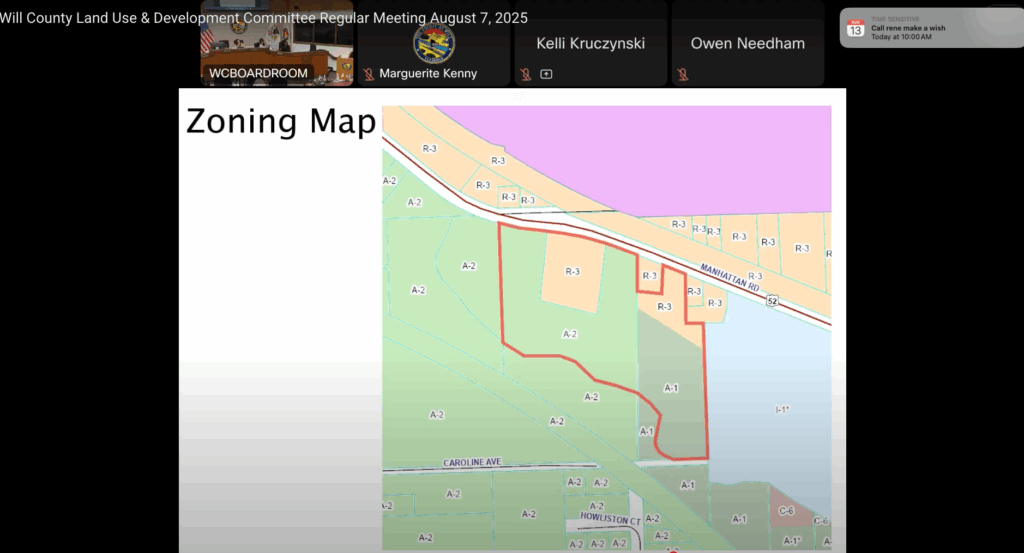
Will County Advances Truck Repair Facility Plan on Manhattan Road Despite Resident Objections
PZC Grants Variance for Oversized Garage in Joliet Township, Reversing Staff Recommendation