
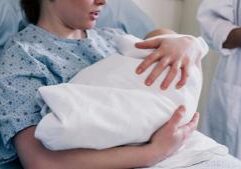
Texas agency investigating birth tourism, ‘HavemybabyinTEXAS.com’
The Texas Health and Human Services Commission is cracking down on birth tourism in response to a directive issued by Gov. Greg Abbott.
“I am pleased that HHSC took decisive action based on my directive last week,” Abbott said in a statement Tuesday. “Regardless of what the Supreme Court of the United States may have said, U.S. citizenship is not for sale in Texas. Texas will not tolerate the exploitation of our health care system as a pathway to skirt federal immigration laws.”
Last week, he directed state action to investigate one form of visa and immigration fraud, birth tourism, which he argues will likely expand after the court’s 14th Amendment ruling, The Center Square reported. The court held that children born in the U.S. by mothers who are illegally in the country have citizenship rights, a ruling Abbott said was “a missed opportunity to restore the original meaning of the 14th Amendment.”
“Birthright citizenship has become a powerful magnet for illegal immigration that will forever change our nation if left unaddressed. Automatic citizenship for children born to parents in the United States illegally or only temporarily is an absurdity that was never contemplated by our Constitution nor agreed to by the American people,” he said.
The first directive involved HHSC investigating Mission Regional Medical Center in the border town of Mission, Texas. Regulated by HHSC, the facility was reportedly advertising “birth packages in south Texas” to women overseas. The advertisements were reportedly targeting foreign national women to enter the U.S. to give birth.
A Mission Regional Medical Center spokesperson acknowledged in an email to The Center Square that its “marketing materials regarding maternity services are no longer in use due to any unintended misunderstanding. We intend to work cooperatively and transparently with local and state officials. Our focus remains on delivering safe, high-quality care to every patient who seeks our services.”
HHSC has since investigated birth tourism allegations and referred two facilities to the Office of Attorney General, Mission Regional Medical Center and Knapp Medical Center in Weslaco, it says. The Weslaco center has yet to issue a statement on the matter.
HHSC said in its referral to the OAG that the two centers are affiliated with the Prime Healthcare Foundation. “Although the website listed on the billboard—’havemybabyinTEXAS.com’—appears to have been taken down, an archived version remains available online and identifies the two Texas hospitals,” it says.
HHSC says it “is committed to ensuring the integrity of our health care system and ensuring regulated entities comply with both federal and state law.” It adds that “birth tourism schemes not only exploit the extraordinary privilege of American citizenship, but also frequently involve “lies about the purpose or duration of one’s travel to the United States.” It requests the OAG to investigate and take appropriate legal action.
The governor’s office is encouraging members of the public to report any birth tourism ads or potential immigration-related healthcare fraud to the HHSC Office of Inspector General and to the Department of Justice.
Mostly Sunny then Showers And Thunderstorms Likely
Latest News Stories

Some blame taxes as Illinois grows on paper but loses residents

Illinois quick hits: Cannabis company sued for alleged sexual harassment; Reparations class action suit to proceed; Disaster declaration approved for August 2025 storms
Washington Township to Transfer Thriveworks Mental Health Program to Beecher Fire District

Manhattan Firefighters Extinguish Chimney Fire on South Egyptian Trail

One Dead, Two Hospitalized Following Overnight Shooting at Crete Family Party

Coal City Pitchers Combine for Two-Hit Shutout in 3-0 Victory Over Beecher
Beecher Baseball Downs Rich Township 5-1 Behind Maher’s Dominant Start

White House calls on Pritzker to cooperate with ICE

DHS pushes back on Minnesota lawsuit over Metro Surge shootings
Frankfort Man Arrested by State Police for Threatening Governor Pritzker

Supreme Court reverses $1B copyright lawsuit

U.S. Supreme Court rules against automatic prison release punishments


