Minnesota extends Medicaid provider pause as fraud concerns reach U.S. Senate
Minnesota is extending its pause on enrolling new providers in 12 high-risk Medicaid services as the state continues efforts to crack down on fraud in its taxpayer-funded programs.
The Minnesota Department of Human Services announced on Wednesday that the pause, which began Jan. 30, will continue for “at least” another six months.
“We still have a lot of work to do to verify the providers we have before we begin accepting new applications,” said John Connolly, temporary commissioner of the Minnesota Department of Human Services. “We’re working closely with providers, counties and managed care organizations to make sure people who rely on Medicaid services in these areas have access to care. If necessary, we can make exceptions to the moratorium.”
This comes a little more than a month after the department announced nearly two-thirds of the state’s high-risk Medicaid providers had been unenrolled from those high-risk programs.
Of the 5,583 providers under review, 2,061 were successfully revalidated and could continue providing services without interruption. Another 3,411 providers were notified they would be disenrolled, including 2,491 for incomplete paperwork or documentation, 916 for failing site visits and four for failing background studies.
An additional 111 providers were removed from review because they were no longer providing high-risk services. That means more than half of the providers in high-risk services, which includes everything from adult companion care to nonemergency medical transportation, failed to meet the review’s standards.
According to the MDHS, so far, nearly 2,700 providers have appealed that decision.
To be approved, providers were required to submit ownership and licensing information, demonstrate adequate staffing levels, complete fingerprint background studies and undergo unannounced site visits during the five-month review process, which ended on May 31.
Nearly 40% of those providers are in Hennepin County, the most-populous county in the state.
The review was required by the federal Centers for Medicare and Medicaid Services as part of ongoing efforts to address fraud. Had the state failed to complete the review, it risked losing up to $2 billion in federal Medicaid funding.
Though thousands were unenrolled, MDHS said only 59 providers were referred to the agency’s Office of Inspector General for further review for potential fraud. That office was just established in this past legislative session in an effort to address taxpayer fraud in the state, which is estimated to total between $9 and $20 billion.
This all comes after months of scrutiny over fraud and oversight concerns in Minnesota’s public assistance programs.
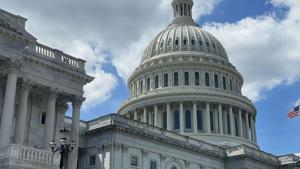
On Wednesday, Nick Shirley, a YouTuber and content creator whose reporting contributed to launching Minnesota fraud to the national stage in December, testified before the U.S. Senate Homeland Security and Governmental Affairs Committee.
Shirley’s testimony focused largely on Minnesota and allegations that state officials failed to take action to appropriately address the fraud.
“Since I exposed the fraud in Minnesota, it unleashed a war on fraud across the country. The fraudsters got away with it for so long they had literal ‘Learing Centers’ that received millions of dollars from your taxes,” Shirley said. “Fraud affects every American because we all pay taxes, and the money being stolen comes from ALL of us, not a Republican or a Democrat. Hopefully people and politicians can realize that.”



Isolated Rain Showers then Mostly Sunny
Latest News Stories

HHS terminates Biden-era rule that rewarded doctors for ‘anti-racism’ plans

U.S. House to vote on releasing the Epstein files

Vermont looks to encourage legal immigration pathways

FAA returns to normal operations after shutdown, launches probe

Illinois truckers back federal pause on non-domiciled CDLs, hope state follows suit

WATCH: DCFS updates missing children numbers; Budget cuts EO transparency criticized

Supreme Court declines to hear public prayer case

Supreme Court to decide immigration asylum case

Illinois quick hits: Armed robbery charges after incident at Senate President’s office

Will County Committee Approves Rezoning, Denies Landfill Permit for Former Joliet Beach Club Site

Michigan school board passes controversial sex ed policies

Washington Township to Receive Nearly $15,000 Reimbursement for Mental Health Program