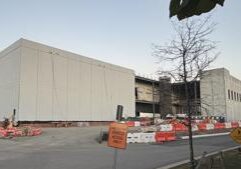
More pros than cons: ALEC panel discussion focuses on positives of data centers
While much of the national conversation about data centers focuses on the amount of energy and water they consume, the pros of building more of them outweigh the cons, panelists at the American Legislative Exchange Council’s annual conference said Thursday.
ALEC hosted economist Stephen Moore, President and CEO of NetChoice Steve DelBianco, and Texas U.S. Sen. Paul Bettencourt for a panel discussion on the impact of data centers on communities.
Wednesday marked the opening day of ALEC’s 53rd Annual Meeting in Orlando, Florida, a three-day conference where officials, experts, and leaders come together to examine solutions focused on limited government, free markets and federalism.
While there has been constant debate about the emergence and growth of data centers, Moore notes that data centers are what power cellphones, infrastructure and other essential tools across the U.S., all of which would not work without data centers.
Bettencourt cited Texas as an example, noting that his state has 335 active data centers and 248 proposed, which he said will provide a foundational economic boost to the state.
“In Texas, in 2024, we had 103,000 direct employees of data centers, 429,000 indirect employees effectively to pull through the economy, and a total economic effect of $39 billion with one year’s growth in 2023 to 2024 being 16%,” Kehoe said.
The panelists acknowledged the fear and reservation behind building these data centers, such as the threat of AI and the empowerment of Big Tech.
Steve DelBianco, president and CEO of NetChoice, told attendees, however, that the pros of data centers far outweigh the cons.
“The actual experience of data centers done right creates massive amounts of jobs and taxes, they don’t use significant amount of water, none at all if the water’s not around, they cause electricity bills to go down, and their noise at the perimeter is of no consequence when it’s done right,” DelBianco said.
Throughout the discussion, panelists repeatedly emphasized that if anything, these data centers need to be built because of the technology race with China.
“That’s really what this is all about,” Moore stated. “We’re in an Indy 500 race against China to see who wins this race. We have to win this just like we won the internet wars, but we can’t win it without building the infrastructure necessary.”
Moore noted, however, that a big mistake these data centers make is forcing the building of data centers on communities that don’t want them.
“Build them where people want them,” Moore said, echoing DelBianco’s earlier remarks: “We choose to build data centers in communities that embrace them and where the utilities have the power.”
“We want America’s model to lead the world,” DelBianco said, “and I think to do that we’ve got to understand where the fear is beating out the facts and embrace the future.”






Mostly Cloudy
Latest News Stories

Debate persists over nation’s highest gas prices in California
Consensus for power supply solution still elusive

Digitization of aviation supply chain an opportunity to ascend out of 1950s

‘Classic impasse’ for Chicago aldermen debating proposed taxes, spending cuts

Texas authorities arrest men for violent crimes after illegally entering as minors

WATCH: Gun ban cases and the Supreme Court; English and CDLs; Don Tracy eyes Senate

Illinois quick hits: Madigan disbarred; taxpayers subsidize medical debt relief
Zoning Cases in Crete and Manhattan Townships Postponed to December 16

Will County Commission Approves New Lenox Variances, Overriding Staff’s Denial Recommendation
Will County Executive Committee to Hash Out Budget Cuts Following Levy Reduction

Meeting Summary and Briefs: Beecher Board of Education for November 12, 2025
Reshoring manufacturing will take a more skilled workforce, small manufacturers say