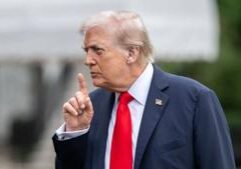
Trump: Iran eager to meet, won’t rule out future strikes
The U.S. hasn’t struck Iranian targets since Thursday, with President Donald Trump confirming the Islamic Republic is possibly interested in returning to the negotiating table.
The president is set to welcome Israeli Prime Minister Benjamin Netanyahu to the White House on Tuesday as the two leaders are expected to discuss the current situation on Iran, as Israel has kept a low profile in recent weeks, following the U.S.-led strikes against the Islamic Republic.
Trump told a rally in Michigan that “friendly talks are underway” with the Islamic Republic but warned the U.S. could still “cripple Iran with full force.”
The president indicated to reporters Monday that the latest rounds of strikes, spanning 13 consecutive days, may have persuaded Iran to return to the negotiating table.
“We’ve pretty much destroyed their military. They want to meet, and we’re meeting. We’ll see what happens. There’s a chance we could make a deal. Without what we did, they wouldn’t even be talking to us,” Trump told reporters.
Iran publicly refuted claims it is seeking a deal on Monday.
“That does not accord with our principles. Claims that Iran has requested negotiations are merely reports,” Foreign Ministry spokesman Esmaeil Baqaei said during a press briefing carried by the semi-official Mehr news agency.
President Trump appears cautious after months of back-and-forth with the Iranian regime, which eventually led to the signing of a memorandum of understanding on June 17.
However, not long after the signing, Iran violated the agreement by refusing to open the Strait of Hormuz, including the targeting of commercial cargo ships.
The U.S. reinstated the full naval blockade on Iranian ports, putting the squeeze on the Islamic Republic’s economy, which the Trump administration estimates is costing the country between $400 and $500 million a day in losses.
Since the blockade was reinstated two weeks ago, U.S. Central Command says 17 commercial vessels have been redirected, two disabled, and an additional two boarded to “ensure compliance.”
The president quashed rumors that the reason for the pause was due to a dwindling amount of American ammunition, which the president denied, but did acknowledge that the Biden administration had given a lot of ammunition to Ukraine.
Last week, the U.S. House of Representatives narrowly passed a $1.15 trillion defense spending bill. The Pentagon claims the conflict with Iran has cost taxpayers $37.5 billion thus far.
However, multiple independent analyses suggest the true cost of the conflict has surpassed $100 billion. Moody’s Analytics estimated that the war has cost American consumers and taxpayers over $100 billion when factoring in surging energy prices and military outlays.
Separate assessments by independent groups, such as Brown University’s Costs of War project, also put total deployment, munitions, and operational expenses in the $100 billion to $113 billion range.






Sunny
Latest News Stories

Trump HHS tells states to remove gender ideology from sex ed or lose PREP funding

Americans could face ‘sticker shock’ as once-small tax exemption ends

‘Pro-taxpayer’ law requires operators to clean up abandoned Illinois oil wells

Black-only medical directory must open to all races after lawsuit
Embattled Fed governor sues Trump over ‘illegal’ firing

Watch: Cook County gun ban plaintiffs petition SCOTUS; Pritzker hasn’t heard from White House

Illinois quick hits: Man on pretrial release accused of murder; holiday weekend impaired driving patrols

Beecher Library Schedules New Window Installation for Early August

Illinois quick hits: Gun ban challengers petition SCOTUS; man sentenced for COVID fraud
WATCH: Trump: Illinois’ ‘slob of a governor’ should call for help with public safety

Beecher Library Awarded Over $10,000 in State Per Capita Grant
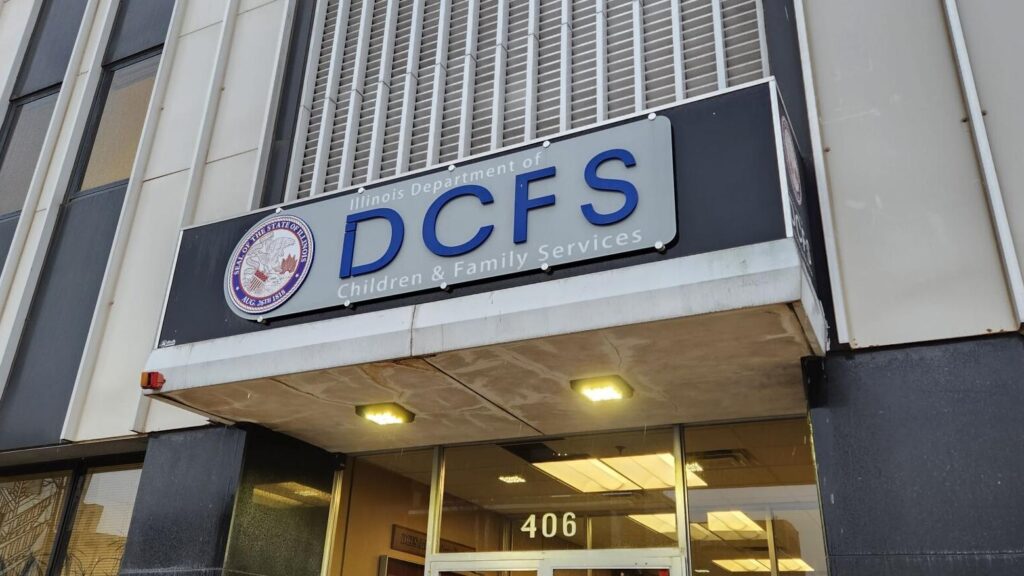
WATCH: Legislator says Illinois’ child welfare agency uses interns, has legal exposure