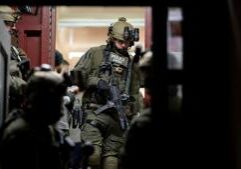
BREAKING: Minnesota sues feds for evidence in Metro Surge shootings
Minnesota filed a lawsuit Tuesday against the U.S. Department of Justice and the U.S. Department of Homeland Security for refusing to share evidence regarding three shootings involving federal agents.
Those shootings include the incidents involving Alex Pretti and Renee Good, which led to both of their deaths in January. It also references the shooting of Julio SosaCelis.
“The State of Minnesota has the authority and responsibility to protect against and address violence within its borders, including by prosecuting homicides, attempted homicides, and assaults,” the lawsuit stated.
It called the alleged lack of cooperation from the federal government “unprecedented noncooperation.”
DHS did not respond to a request to comment from The Center Square.
At the beginning of the year, DHS sent thousands of federal agents to the Twin Cities in an effort called Operation Metro Surge. More than 4,000 illegal immigrants have been arrested since it began.
Since federal agents were sent to the state, the Twin Cities faced nearly-constant public protests. The protests were heightened by the January deaths of Alex Pretti and Renee Good, both of whom were shot by federal agents in January.
The federal government began pulling back from the operation in February. Since the operation has come to an end, the City of Minneapolis has sought financial aid from the federal government to address the “damage” and “ongoing needs” it says were caused by the operation.
Minnesota Attorney General Keith Ellison, Hennepin County Attorney Mary Moriarty, and Superintendent of the Minnesota Bureau of Criminal Apprehension Drew Evans are leading the lawsuit. In addition to the DOJ and DHS, it also names U.S. Attorney General Pam Bondi and Secretary of the U.S. DHS Kristi Noem.
The lawsuit is asking the U.S. District Court for the District of Columbia to force the federal government to share the evidence it has collected in reference to the three shootings.
“Cooperation is not merely customary. It reflects the basic structure of American federalism, under which the States retain primary authority to investigate and enforce violations of their own criminal laws,” the lawsuit said. “At stake is not only Plaintiffs’ access to evidence central to these shootings but also a fundamental principle of our constitutional system: that the States retain the sovereign authority—and responsibility—to investigate crimes committed within their borders.”


Partly Sunny then Slight Chance Showers And Thunderstorms
Latest News Stories

Report: Declining enrollment converts schools to apartments
Retired chief: Illinois’ SAFE-T Act ’emboldens’ anti-police attackers

Worker files charges against union alleging unfair practices

Op-Ed: Stacked costs are crushing Illinois manufacturers

Chicago minority, low-income students struggling to make testing grade

Powerful Japan earthquake triggers tsunami warning

Illinois in Focus: SCOTUS to release order list; U.S. Steel returns; Candidate quests for answers

More human smugglers arrested coming through Canada, this time from India
EXCLUSIVE: Texas Operation Lone Star 2.0: pursuing domestic terrorist threats
Illinois quick hits: Police shooting suspect in custody; retired judge brought back

Peotone License Plate Camera Renewal Sparks Privacy Debate in Public Works Committee

After Kirk assasination, students less comfortable with ‘controversial’ events on campus

Everyday Economics: The case for a December rate cut

Board Takes No Action on Recreation Donation Request