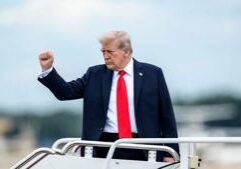
Trump defends Section 122 in latest tariff legal challenge
President Donald Trump’s administration defended his newest 10% global entry tariffs against a legal challenge in a trade court.
The administration said that Trump acted within his legal authority under Section 122 of the Trade Act of 1974, which permits the president’s 10% tariff on all imports. The states and small businesses challenging the tariffs argue otherwise. Department of Justice lawyers opposed pausing the tariffs, explaining that the challengers’ request lacked legal merit.
The Department of Justice argued that plaintiffs previously agreed that Section 122 could be used to impose tariffs but now claim it is ineffective, suggesting Congress passed a law with no purpose.
Trump invoked Section 122 of the Trade Act of 1974 to impose a 10% tariff on all imports, just hours after the U.S. Supreme Court struck down his previous tariffs under a different statute. Trump has indicated the new tariff could rise to 15%. Since Section 122 has never been used in this way, its constitutionality and limits have yet to be tested in court.
The administration claims the law allows the president to levy tariffs of up to 15% for 150 days due to international payment issues.
Democratic-led states and small businesses filed separate lawsuits in the U.S. Court of International Trade, both challenging the Section 122 tariffs. The cases, while distinct, are advancing together.
The challengers asked the Court of International Trade to pause the new tariffs or rule against them, alleging that Section 122 does not legally support the President’s new import taxes.
Liberty Justice Center attorneys argued that Section 122 applies only to international balance-of-payments problems, which are not possible for the United States under floating exchange rates.
The Department of Justice called that “absurd.”
Justice Department lawyers countered that the plaintiffs argue there can never be a balance-of-payments deficit under Section 122, describing this interpretation as bordering on the absurd.
Responding to these arguments, the Department of Justice also noted that just because Section 122 has never been used before does not make it invalid.
“That other Presidents did not invoke Section 122 has little relevance,” according to the motion.
The Justice Department further warned: “When a country’s current account deficit becomes too large, it can trigger an uncontrolled and rapid reversal, which has been often associated with declining real income growth, currency depreciation, and other economic disruption.”
The Court of International Trade ordered plaintiffs to reply by Tuesday, April 7.
In April 2025, Trump unilaterally imposed the highest tariffs in nearly a century. The U.S. Supreme Court ruled in February that Trump overstepped by using the International Emergency Economic Powers Act to impose tariffs worldwide. The Court did not decide what should happen to the estimated $175 billion in import taxes already collected. Importers sought refunds in court. However, the U.S. Treasury Secretary has said he does not expect consumers to receive any money back.
During Trump’s initial round of tariffs, courts permitted the administration to continue collecting import taxes as legal challenges played out.
Trump has defended the tariffs, saying the revenue could fund increased military spending and other goals, including a tariff refund check for some Americans. Still, experts have questioned whether tariffs will raise enough money to cover these costly spending plans.
As the midterms near, Trump’s tariffs remain unpopular. Research shows U.S. consumers and businesses bear most import tax costs.

Chance Showers And Thunderstorms
Latest News Stories

Land Use Committee Advances Mokena Scrap Yard and Homer Glen Landscape Business Over Local Objections
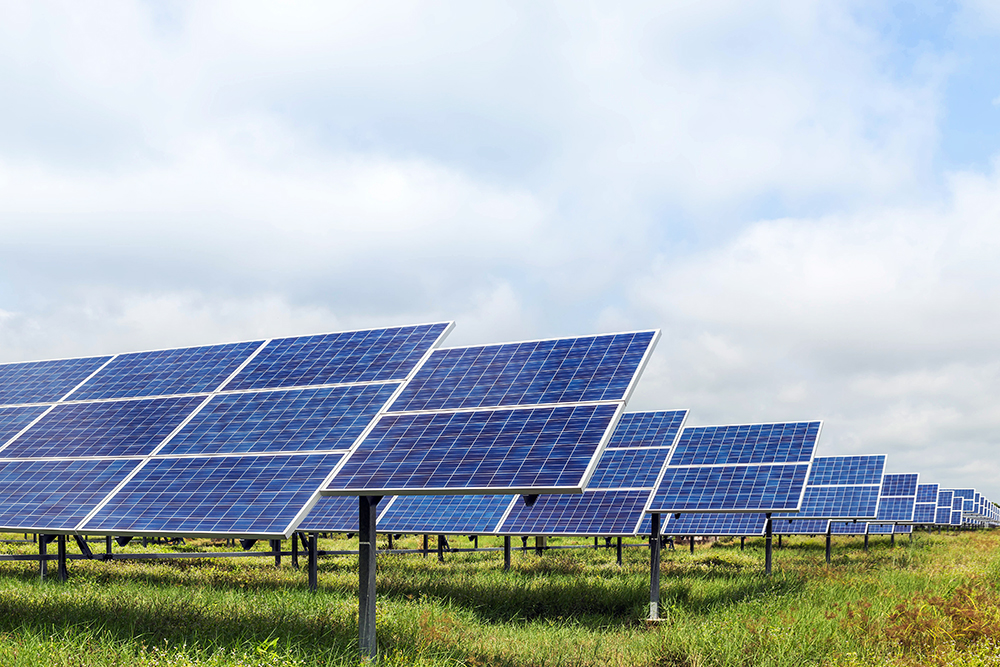
Planning Commission Backs 5-MW Peotone Solar Farm; Developer Pledges Pollinator Habitat and Community Funds

Board Approves New Early Childhood Curriculum and Technology Upgrades
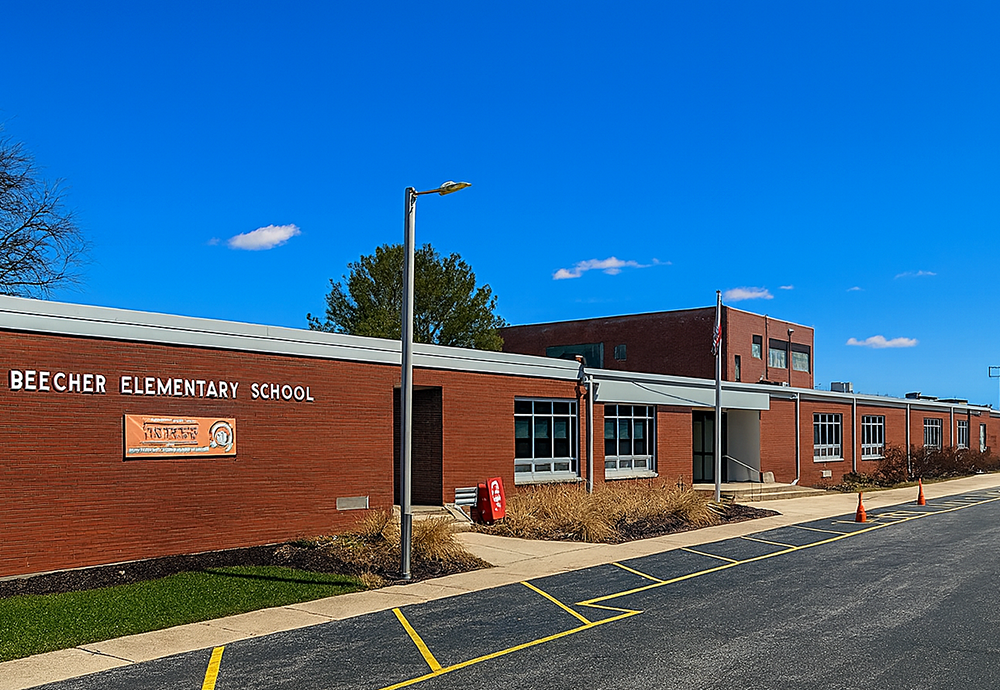
Beecher Schools Review Test Data; ELA Scores Excel While Math Strategies Adjusted
Meeting Summary and Briefs: Washington Township Board for Jan. 5, 2026

Meeting Summary and Briefs: Village of Beecher for February 9, 2026
Meeting Summary and Briefs: Public Health & Safety Committee for February 5, 2026
Meeting Summary and Briefs: Finance Committee for February 3, 2026

Highway Commissioner Reports Increased Salt Usage Due to Winter Weather

Illinois Quick Hits: Bills filed to create small business accounts

Taxpayers funding $52.8M Route 9 upgrade; residents raise safety concerns

Climate and energy experts praise Trump’s Endangerment Finding repeal

Taxpayer group urges Trump, Congress to confront rising federal debt