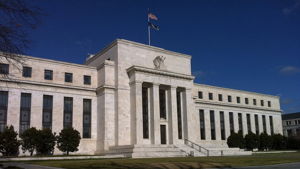
Everyday Economics: Inflation may have peaked. That does not mean the Fed is ready to cut
The Federal Reserve left interest rates unchanged last month, but its latest projections showed a committee that is increasingly divided over what comes next.
The median Fed official expects the federal funds rate to end the year at 3.8%, essentially where it is today. But the median hides an important shift beneath the surface.
Nine of the 18 officials who submitted interest-rate projections expect rates to end the year higher than they are today. Eight expect rates to remain unchanged, while only one expects a cut. In other words, 17 of 18 officials see no rate cuts this year, and half project that some additional tightening will be appropriate.
The economic projections help explain why.
The median official expects the unemployment rate to end the year at 4.3%, only slightly above its current level. Officials do not expect keeping interest rates elevated to cause a major deterioration in the labor market.
Inflation is the bigger problem.
Officials expect headline inflation, measured by the personal consumption expenditures price index, to end the year at 3.6%. Core inflation, which excludes food and energy, is projected at 3.3%.
The minutes from the meeting revealed the same tension.
Officials generally agreed that inflation would remain elevated in the near term, reflecting the effects of tariffs and higher energy prices. But they disagreed about what would happen next.
Some officials worried that higher prices could become more persistent, especially if businesses continued to pass higher costs on to consumers or if inflation expectations began to rise.
Others argued that the effects would prove temporary and that slower economic growth would eventually reduce inflation pressures.
That disagreement matters because it leaves the Fed facing two very different risks. Cut rates too soon, and temporary price increases could turn into persistent inflation. Keep rates elevated for too long, and the Fed risks weakening the labor market unnecessarily.
Fiscal policy complicates that tradeoff. Large federal deficits can support demand at a time when inflation remains above the Fed’s target. Unless stronger demand is matched by faster growth in the economy’s productive capacity, the adjustment has to come through some combination of higher inflation or higher interest rates.
For the Fed, that can make the last mile back to 2% inflation more difficult. If fiscal policy continues to support demand, monetary policy may have to remain tighter for longer to offset it.
For now, the labor market is giving the Fed room to wait. And that makes this week’s inflation report particularly important.
There is reason to believe some of the inflation pressures that intensified earlier this year may now be easing.
Oil prices have fallen from their recent highs, which should reduce some of the pressure on gasoline prices and eventually other transportation and production costs.
Housing inflation is also still moving lower.
The rent measures used in the CPI adjust slowly because they capture rents paid by households across the entire stock of rental housing. Asking rents on newly signed leases tend to move first, which means the slowdown in market rents over the past several years is still working its way into the official inflation data.
But that process will not continue forever. The apartment construction boom is behind us. The number of newly completed multifamily units is expected to fall sharply this year as the pipeline of projects started during the pandemic-era building boom dries up. Fewer new apartments mean less additional supply entering the market.
At the national level, the slowdown in completions should prevent the rental vacancy rate from rising much further. Asking-rent growth has already started to firm compared with a year ago. If those trends continue, the decline in housing inflation could eventually stall.
There is another reason the Fed cannot declare victory.
New research from the Federal Reserve Bank of New York suggests businesses are still passing tariffs through to consumers.
Among businesses that directly paid tariffs, 47% of service firms and 44% of manufacturers said they still expect to raise prices further to recover those costs. Some businesses expect those price increases to occur more than six months from now. That means the inflationary effects of tariffs have not fully worked their way through the economy.
Taken together, the inflation picture may improve over the next several months. Lower oil prices and continued moderation in housing inflation could push headline inflation lower. But lower inflation is not the same thing as inflation returning to the Fed’s 2% target, especially with other forces pushing in the opposite direction.
Housing inflation may stop improving as rental supply growth slows. Businesses are still passing tariff costs through to consumers. And larger deficit-financed federal spending continues to support demand.
For now, the Fed has little reason to rush. It can afford to wait.






Sunny
Latest News Stories

Democratic attorneys general oppose latest round of tariffs
Top Democrats pressure Platner to drop Senate bid

Parents applaud denial of child app purchases case
Taxpayer abortion funding resumes with legislation expiring on July 4

Illinois Quick Hits: Indiana governor touts True Value move from Illinois

Dem leaders want transparency, unsure if ethics report will be released

Social Security Admin to fast-track Trump Account enrollment for eligible kids

Flash index shows rising tax receipts in Illinois

Report: $12B spent on assisted living Medicare, Medicaid

Illinois Quick Hits: Aqua seeks water rate hike
Pritzker signs AI regulation critics say harms innovation, ‘picks winners’

Microsoft cuts over 600 Washington jobs, 4,800 globally amid corporate restructuring